
A Guide to Switching Baby Formulas
When it makes sense to switch, how to do it, and what to watch for in the first two weeks — plus the switches you should only make with your pediatrician.

Good reasons to switch
- Your pediatrician recommends it.
- Your usual formula is recalled or out of stock.
- Ongoing fussiness, gas or spit-up after a fair trial (and red flags have been ruled out).
- Cost — a store brand on the FDA list can save money with the same core nutrition.
How to switch
| Similar formula (e.g. brand to store brand) | Most healthy babies can switch directly at the next feed |
|---|---|
| New protein type or milk base | Some parents alternate bottles over several days; ask your pediatrician |
| Specialty or hypoallergenic formula | Only with your pediatrician’s guidance |
| Give it time | Allow about 1–2 weeks before judging, unless there’s a reaction |
Each formula has its own scoop size and water ratio. Prepare each bottle exactly as its label says, and never water formula down to make it last longer.
What to watch for
Some change in stool color, consistency and frequency is normal after a switch. Call your pediatrician for blood or mucus in the stool, vomiting, hives or rash, trouble breathing, fewer wet diapers, or poor weight gain.
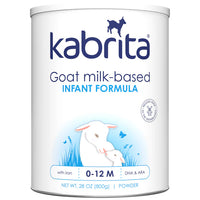
Kabrita is a goat milk infant formula on the FDA’s U.S. list, sold in our shop.
If your formula is out of stock
Look for a formula on the FDA’s list with a similar milk base and protein type — store brands often match name brands closely. Never make homemade formula or use toddler formula for a baby under 12 months. Your pediatrician can suggest a safe substitute.
Switching FAQs
Is it bad to switch formulas often?
Switching often makes it hard to tell what’s working. Give each formula about 1–2 weeks unless there’s a reaction.
Can I switch from cow’s milk to goat milk formula?
Yes, if the goat milk formula is on the FDA’s U.S. list. It isn’t a solution for milk-protein allergy.
Will a new formula change my baby’s poop?
Usually a bit. Color and texture changes are normal; blood, mucus or very watery stools need a call to your pediatrician.

How we write our guides
Granola Baby is an independent guide for parents navigating formula feeding. Every review is researched against manufacturer labels, U.S. regulatory requirements, and published guidance from pediatric organizations, then updated when formulas, prices, or safety information change.
Read our full methodology →Check the formula recall tracker
This content is for general information and is not medical advice. Talk with your pediatrician before starting or switching formula, especially if your baby was born early, has a medical condition, or shows signs of allergy such as blood in the stool, hives, vomiting, or poor weight gain. All infant formulas sold in the U.S. must meet FDA nutrient and safety requirements. Granola Baby may earn a commission from qualifying purchases made through links on this page; this never affects our rankings.