Ranking · Updated November 2026

The Best Baby Formulas for Colic (2026)

Colic is exhausting, and a formula change won’t fix every case. Here’s what the research says, which gentle and specialty formulas are worth discussing with your pediatrician, and how to tell normal crying from a red flag.

How we make money: Granola Baby is reader-supported. Some links on this page are affiliate links, and we may earn a commission at no extra cost to you. Granola Baby also sells some of the products we review in our own shop. How we review.
Parent comforting a baby during a feed
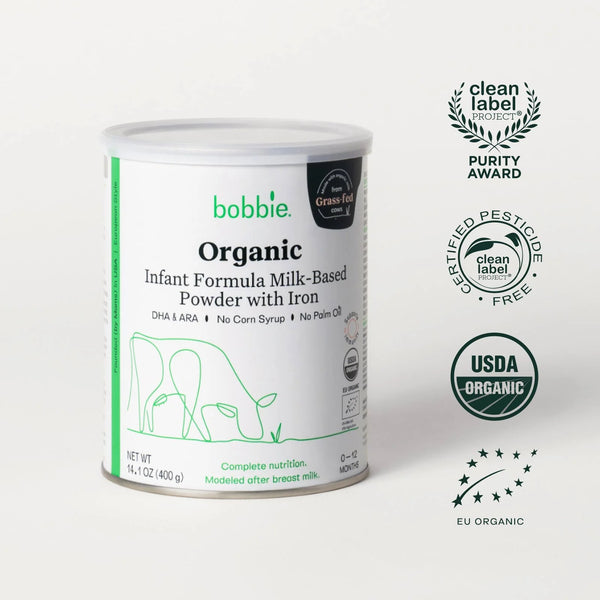
Bobbie Organic Gentle Infant FormulaOur score: 9.0/10
Shop Bobbie Gentle
Only formulas on the FDA’s U.S. list
Specialty formulas flagged for doctor guidance
Recall-checked November 2026
Colic, by the numbers

The “rule of threes”

Doctors usually describe colic as crying for more than 3 hours a day, more than 3 days a week, for more than 3 weeks in an otherwise healthy baby.

3 · 3 · 3
3+ hours a day, 3+ days a week, 3+ weeks: the classic definition of colic
4–6 wks
is when colicky crying usually peaks
3–4 mo
is when colic typically resolves on its own
<5%
of excessively crying babies have an underlying medical cause

Formulas to discuss with your pediatrician

The first three are everyday gentle formulas. The last two are hypoallergenic formulas for diagnosed cow’s milk protein allergy — use them only with your pediatrician’s guidance.

1
Best gentle organic

Gently broken-down proteins, USDA organic.

Shop Bobbie Gentle
2
Best soothing formula

Gerber’s formula designed for colic and excessive crying.

Check price
3
Best for fussiness and gas

Partially broken-down proteins, reduced lactose.

Check price
4
Hypoallergenic · doctor-guided

Extensively broken-down protein for milk-protein allergy.

Learn more
5
Hypoallergenic · doctor-guided

Extensively broken-down protein plus a probiotic.

Learn more
1Best gentle organicSold by Granola Baby
Shop Bobbie GentleShips from the Granola Baby shop

1. Bobbie Organic Gentle Infant Formula

9.0/ 10USDA OrganicGentle proteins
Best for: Healthy, growing babies with colicky crying

A gentle, partially broken-down protein formula is the most common first step pediatricians suggest for formula-fed colicky babies. Bobbie Organic Gentle offers that with a USDA-organic recipe on the FDA’s U.S. list.

ProteinPartially broken down
CertificationUSDA Organic
Where to buyGranola Baby shop

Pros

  • Organic and gentle
  • Sold in our shop

Cons

  • Not for diagnosed allergy
2Best soothing formula$$

2. Good Start Dr. Brown’s Soothe Pro

8.8/ 10Gentle proteinsMade for colic
Best for: Parents who want a formula specifically designed for excessive crying

Gerber’s Soothe formula, now co-branded with Dr. Brown’s, is made for colic, fussiness and excessive crying. It’s on the FDA’s U.S. list. Check the current label for its probiotic and protein details.

Designed forColic, fussiness, excessive crying
FDA U.S. listYes

Pros

  • Purpose-built for colic
  • Widely available

Cons

  • Not organic
3Best for fussiness and gas$$

3. Enfamil NeuroPro Gentlease

8.6/ 10Partially hydrolyzedReduced lactose
Best for: Fussy, gassy babies

Gentlease pairs partially broken-down proteins with reduced lactose and is stocked nearly everywhere, including in ready-to-use bottles for night feeds.

ProteinPartially broken down
LactoseReduced

Pros

  • Easy to find
  • Ready-to-use available

Cons

  • Not organic
4Hypoallergenic · doctor-guidedUse with medical guidance

4. Similac Alimentum

Extensively hydrolyzedExempt formula
Best for: Babies diagnosed with cow’s milk protein allergy

When colic-like symptoms come with signs of allergy — such as blood or mucus in the stool, eczema, or vomiting — your pediatrician may recommend a hypoallergenic formula. Alimentum is an extensively hydrolyzed formula on the FDA’s list of exempt formulas for infants with special medical needs. Don’t start it without talking to your doctor.

ProteinExtensively hydrolyzed
FDA categoryExempt (special medical needs)

Pros

  • Designed for milk-protein allergy

Cons

  • Expensive
  • Should be guided by your pediatrician
5Hypoallergenic · doctor-guidedUse with medical guidance

5. Nutramigen with Probiotic LGG

Extensively hydrolyzedProbiotic LGG
Best for: Babies diagnosed with cow’s milk protein allergy

Nutramigen is an extensively hydrolyzed formula with the probiotic LGG, listed by the FDA as an exempt formula for infants with special medical needs. Your pediatrician can tell you whether it’s right for your baby.

ProteinExtensively hydrolyzed
ProbioticLGG
FDA categoryExempt (special medical needs)

Pros

  • Designed for milk-protein allergy

Cons

  • Expensive
  • Should be guided by your pediatrician

Colic or something else?

Colic vs. red flags
Usually colicLong crying spells, often in the evening; baby feeds well, grows well, and is content between spells
Call your pediatricianFever, vomiting, blood or mucus in stool, poor feeding, fewer wet diapers, a weak or high-pitched cry, or any change that worries you
Go to the ER or call 911Trouble breathing, unusual sleepiness or floppiness, or a baby under 3 months with a fever of 100.4°F or higher
Take care of you, too

Inconsolable crying is hard. If you feel overwhelmed, put your baby down safely in the crib and step away for a few minutes. Never shake a baby. Call a friend, family member or your doctor for support.

Colic FAQs

Will switching formula cure colic?

Not always. Most colic improves on its own by 3–4 months. A gentle formula helps some babies, and a hypoallergenic formula can help when colic is linked to milk-protein allergy — which your pediatrician should diagnose.

Can breastfed babies have colic?

Yes. Colic affects breastfed and formula-fed babies. Talk to your pediatrician before changing your diet or adding formula.

Are gripe water or colic drops safe?

Ask your pediatrician first. Some products aren’t regulated as medicines, and evidence for many is limited.

How we review baby formula

Granola Baby is an independent guide for parents navigating formula feeding. Every review is researched against manufacturer labels, U.S. regulatory requirements, and published guidance from pediatric organizations, then updated when formulas, prices, or safety information change.

Label firstWe read the full ingredient panel and nutrition facts for every stage we cover, not the marketing copy.
Safety & recallsWe check FDA recall and safety notices before every update, and remove products that are under recall.
Real familiesWe weigh feedback from parents in our community on mixing, tummy tolerance, and availability.
Value & accessWe compare cost per ounce, subscription options, and how easy each formula is to buy in the U.S.