Ranking · Updated November 2026

The Best Infant Prebiotics of 2026

Prebiotics and HMOs feed the good bacteria in your baby’s gut. We compared the most popular infant gut-health supplements on ingredients, age range and ease of use.

How we make money: Granola Baby is reader-supported. Some links on this page are affiliate links, and we may earn a commission at no extra cost to you. Granola Baby also sells some of the products we review in our own shop. How we review.
Parent feeding a baby
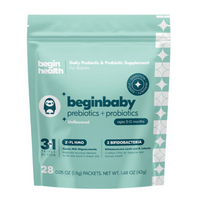
Beginbaby Pre + Pro with HMOsOur score: 9.2/10
Shop Beginbaby
Age range checked for every pick
Ingredients read line by line
Commissions never change our rankings
Why parents ask about prebiotics

Most babies miss out on breast milk’s prebiotics at some point

24.9%
of U.S. babies are still exclusively breastfed at 6 months — the rest get some or all of their nutrition from formula
55.8%
of babies get any breast milk at 6 months
0
supplements the FDA approves for safety and effectiveness before they’re sold — so choosing a reputable brand matters
Source: FDA

The best infant prebiotics at a glance

1
Begin Health Beginbaby Pre + Pro with HMOs
Best overall

HMOs plus infant probiotics, made for 0–12 months.

Shop Beginbaby
2
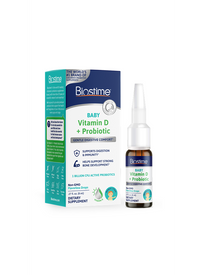
Biostime 2’-FL HMO + Vitamin D
Best HMO-only option

A simple 2’-FL HMO powder with vitamin D.

Check price
3
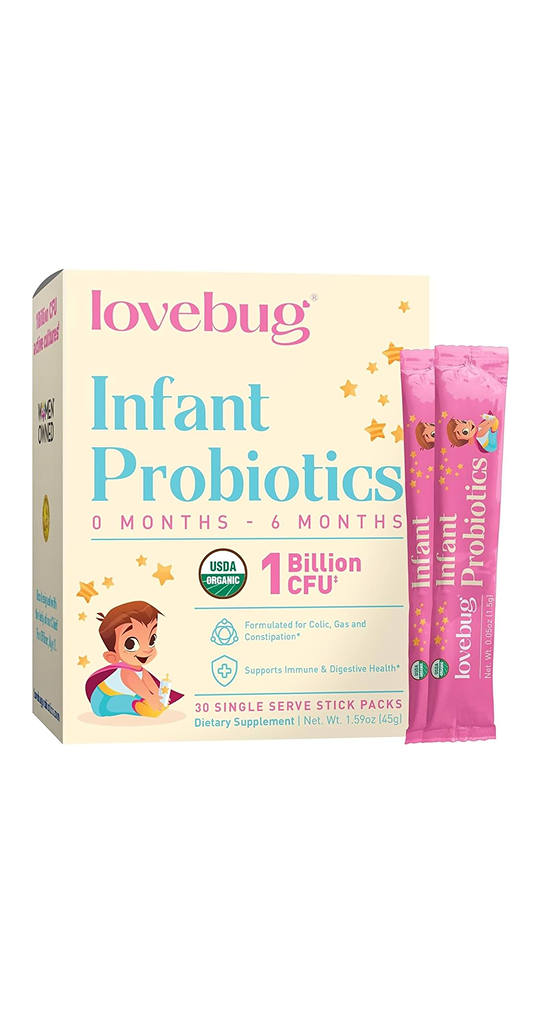
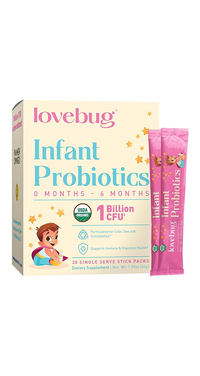
Lovebug Tiny Tummies (6–12 months)
Best organic synbiotic

USDA organic prebiotic + probiotic packets.

Check price
4
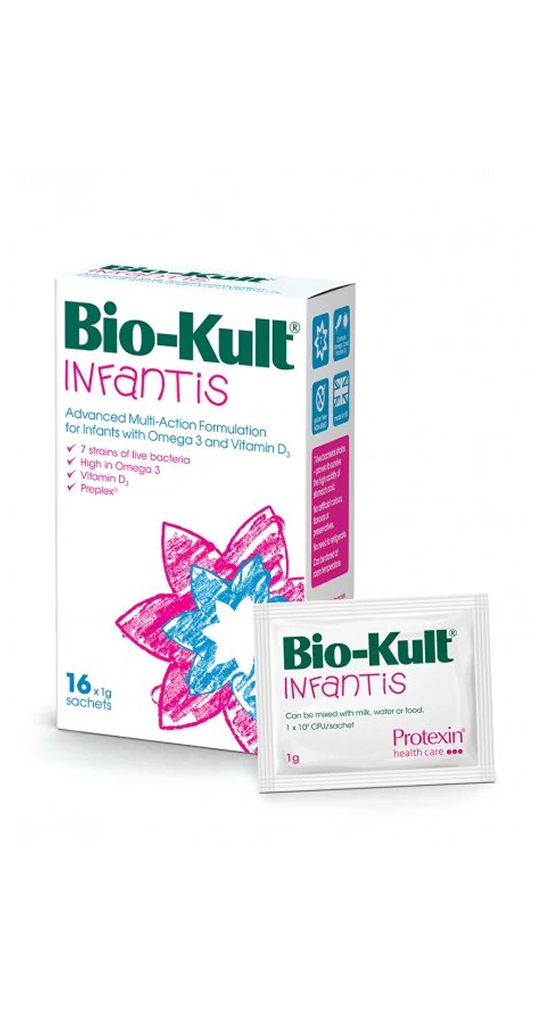
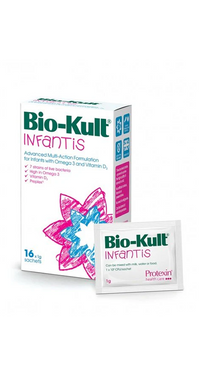
Bio-Kult Infantis
Best shelf-stable sachets

Multi-strain probiotic with FOS, no fridge needed.

Check price
1Best overall28-pack · Sold by Granola Baby
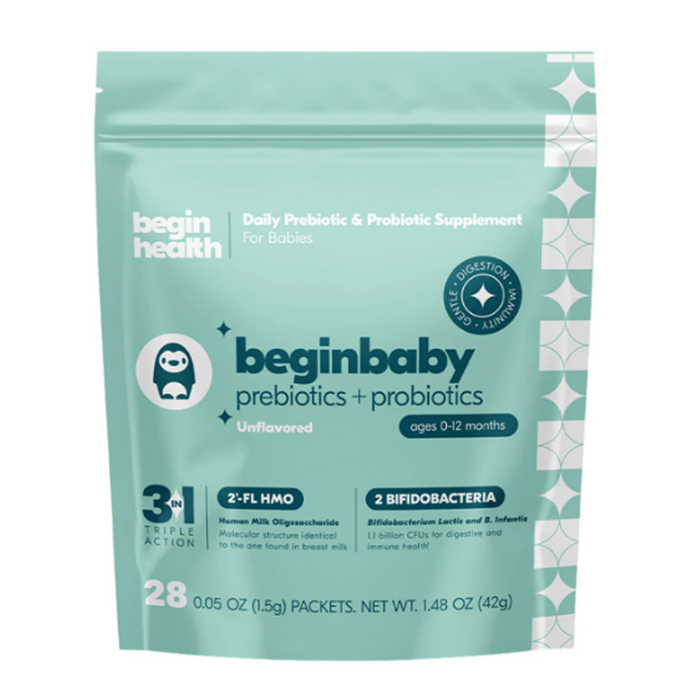
Begin Health Beginbaby Pre + Pro with HMOs
Shop BeginbabyShips from the Granola Baby shop

1. Begin Health Beginbaby Pre + Pro with HMOs

9.2/ 100–12 monthsHMOsProbiotics
Best for: Formula-fed and combo-fed babies in their first year

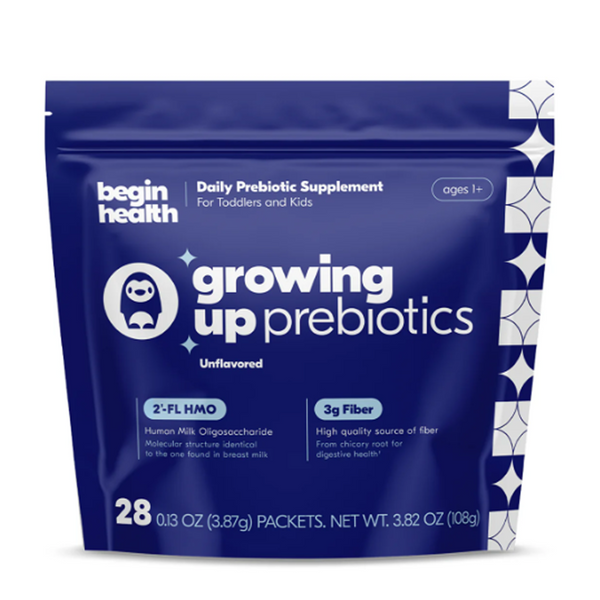
Beginbaby combines human milk oligosaccharides (HMOs) — prebiotics modeled on those in breast milk — with probiotic strains chosen for infants. It comes in single-serve packets that mix into breast milk or formula without changing the taste. For toddlers 12 months and up, Begin Health makes Daily Growing Up Prebiotics.

Ages0–12 months
TypePrebiotic (HMOs) + probiotic
Format28 single-serve packets
How to useMix into a bottle
Where to buyGranola Baby shop

Pros

  • Built for infants, not adapted from an adult product
  • HMOs plus probiotics in one packet
  • Toddler version for 12+ months

Cons

  • Ongoing monthly cost
  • Ask your pediatrician before starting, especially for preemies
2Best HMO-only optionAmazon

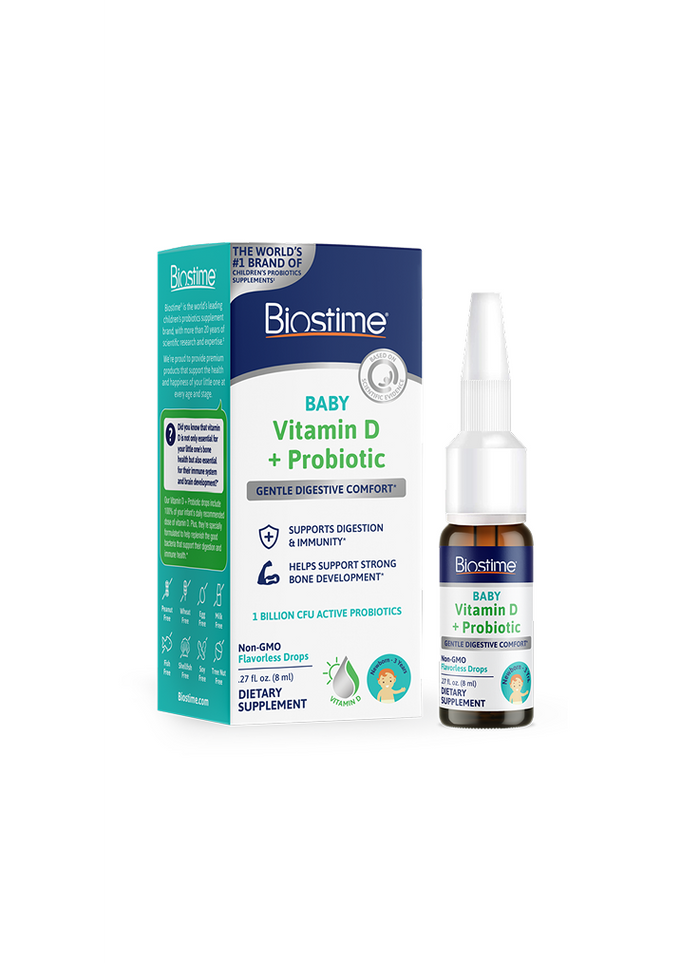
2. Biostime 2’-FL HMO Prebiotic + Vitamin D

8.5/ 102’-FL HMOVitamin D3
Best for: Parents who want an HMO prebiotic without added probiotics

Biostime’s powder delivers 2’-FL, one of the most common HMOs in breast milk, along with vitamin D3. It’s unflavored and mixes into a bottle. Check the label for the age range and dose, and don’t double up on vitamin D without asking your pediatrician.

Prebiotic2’-FL HMO
Also containsVitamin D3
FormatPowder

Pros

  • Simple ingredient list
  • Unflavored

Cons

  • No probiotics
  • Check vitamin D if your baby already takes drops
3Best organic synbioticAmazon

3. Lovebug Tiny Tummies Prebiotic + Probiotic

8.3/ 10USDA Organic6–12 months
Best for: Older babies, especially around starting solids

Lovebug’s Tiny Tummies packets combine prebiotic fiber with several probiotic strains in a USDA organic powder. This version is made for 6–12 months, so it’s a better fit for older babies than newborns.

Ages6–12 months
TypePrebiotic + probiotic
CertificationUSDA Organic

Pros

  • Organic
  • Single-serve packets

Cons

  • Not for babies under 6 months
4Best shelf-stable sachetsAmazon

4. Bio-Kult Infantis

8.0/ 10Multi-strainFOSNo refrigeration
Best for: Travel and families who want a shelf-stable option

Bio-Kult Infantis pairs several probiotic strains with FOS, a plant-based prebiotic, in sachets that don’t need refrigeration. Check the package for the recommended starting age.

TypeProbiotic + FOS prebiotic
StorageShelf-stable
FormatSachets

Pros

  • Travel-friendly
  • No fridge required

Cons

  • Not HMO-based
  • Confirm the age range on the label

Prebiotics, probiotics and HMOs: what’s the difference?

Prebiotics vs probiotics
PrebioticsFibers that feed beneficial gut bacteria (e.g. GOS, FOS, inulin)
HMOsHuman milk oligosaccharides — the prebiotics found naturally in breast milk; some are now made for formulas and supplements
ProbioticsLive beneficial bacteria, such as B. infantis
SynbioticsProducts that combine prebiotics and probiotics

Many infant formulas already include prebiotics like GOS or HMOs, so check your formula’s label before adding a supplement. A standalone product can make sense for formula-fed or combo-fed babies, after antibiotics, or when your pediatrician suggests it.

Check with your pediatrician first

Don’t give probiotics to premature babies or babies with immune problems unless your doctor recommends it. Call your pediatrician if your baby has blood in the stool, vomiting, a fever or poor weight gain — those aren’t problems a supplement should be used to treat.

Infant prebiotic FAQs

Do breastfed babies need prebiotics?

Breast milk naturally contains HMOs, so exclusively breastfed babies already get prebiotics. Supplements are most often considered for formula-fed or combo-fed babies.

Can I mix a prebiotic into formula?

Most infant prebiotic powders are designed to mix into breast milk or formula. Follow the package directions and don’t change the amount of water or formula powder.

How long until I notice a difference?

It varies. Give any change a couple of weeks and track your baby’s stools and comfort, then review with your pediatrician.

How we review infant supplements

Granola Baby is an independent guide for parents navigating formula feeding. Every review is researched against manufacturer labels, U.S. regulatory requirements, and published guidance from pediatric organizations, then updated when formulas, prices, or safety information change.

Ingredients firstWe read the supplement facts panel, strains and doses, not the marketing claims.
Age-appropriateWe only rank products labeled for the age group on this page.
Real familiesWe weigh feedback from parents on mixing, taste and tummy tolerance.
ValueWe compare cost per daily serving and how easy each product is to buy.