
Baby bottles, made simple
Glass, plastic and silicone bottles for newborns, combo feeding and growing babies, plus a quick guide to finding the right one for your little one.
- Glass, plastic and silicone options
- Newborn to toddler
- Hand-picked by parents

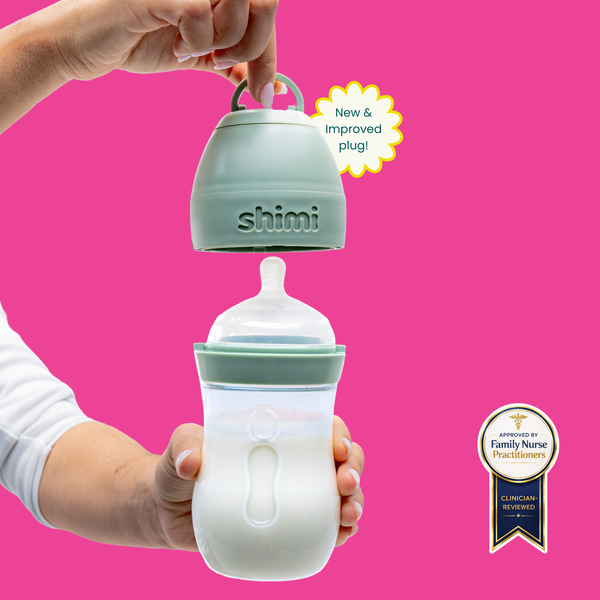
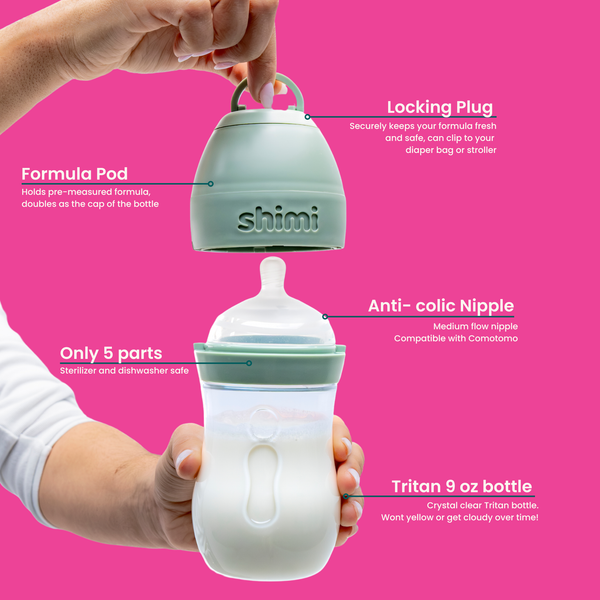
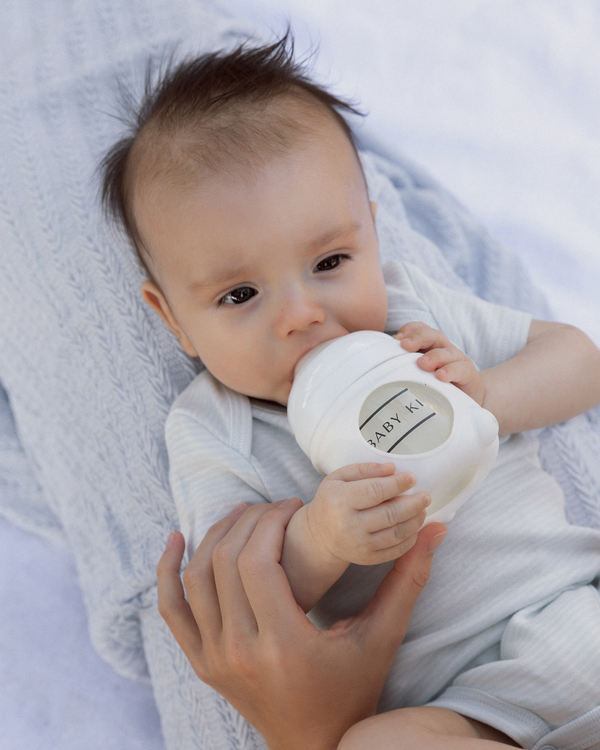
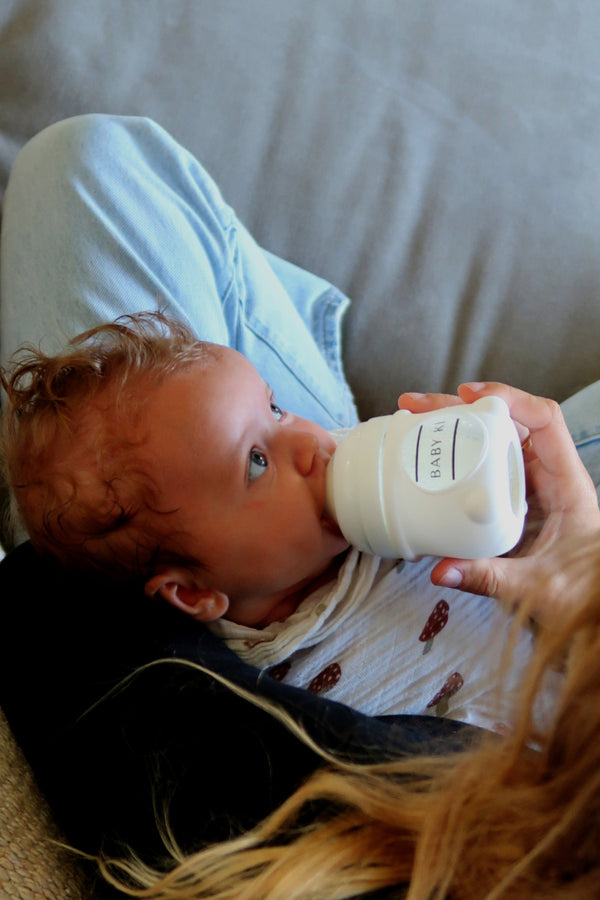
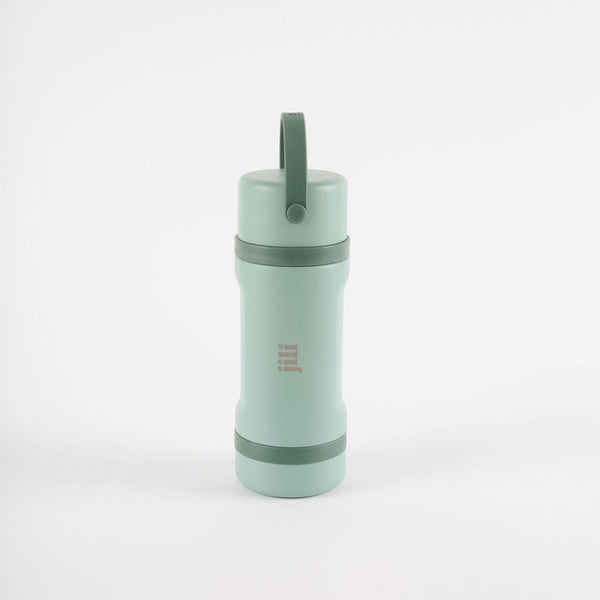
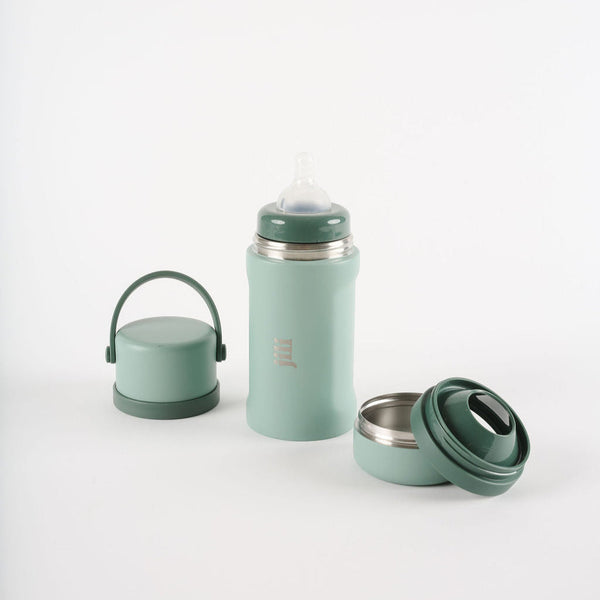
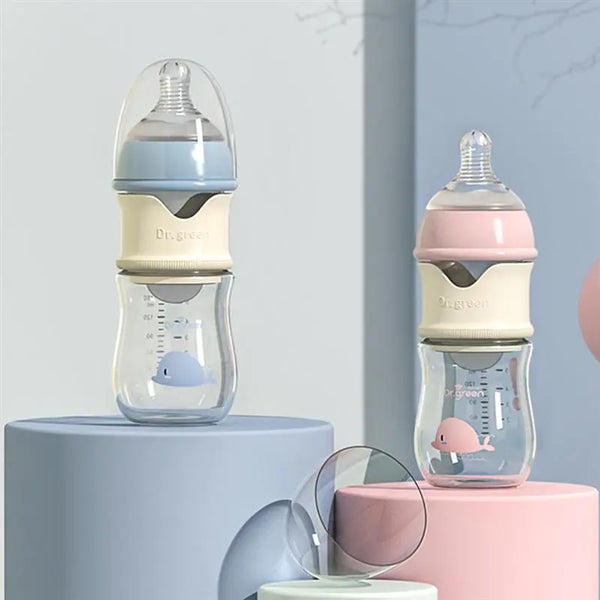
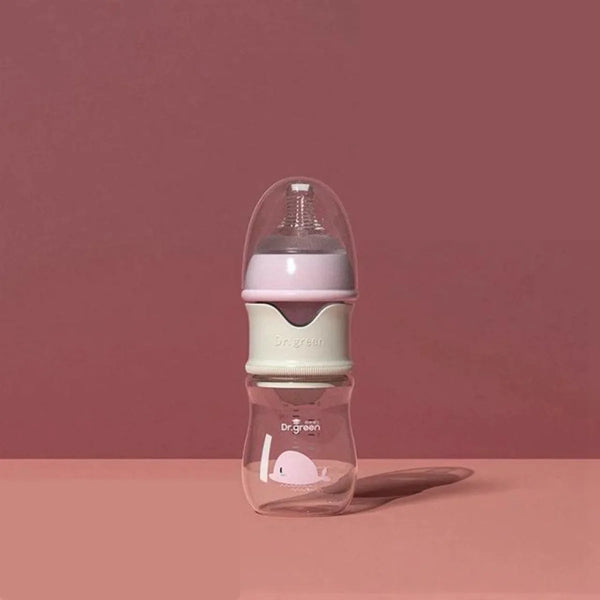

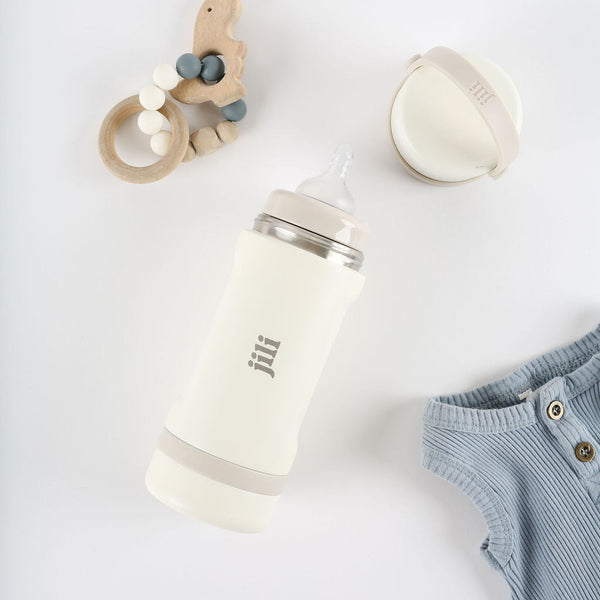
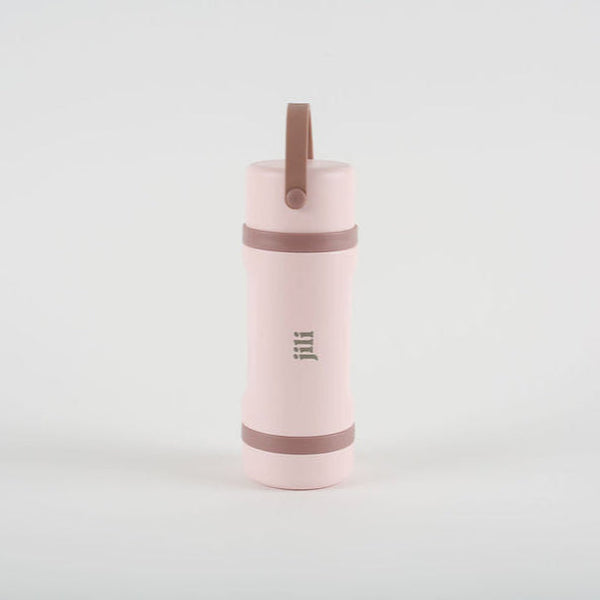
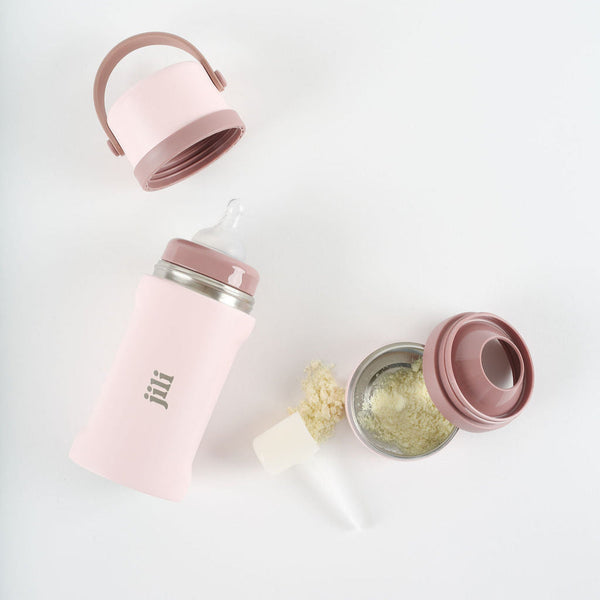
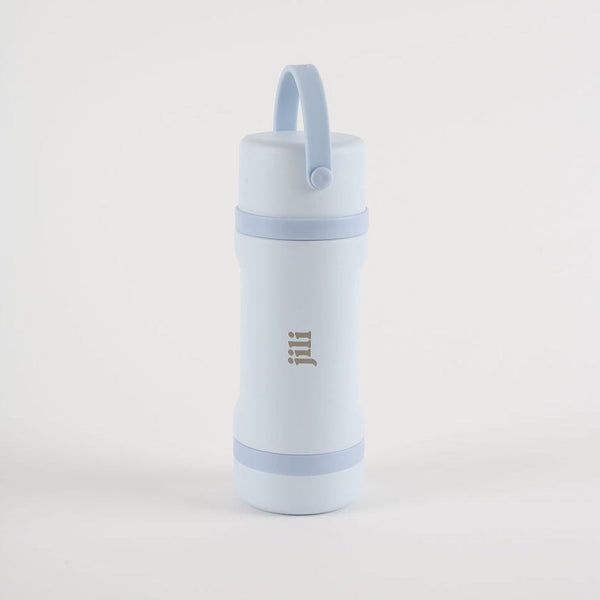
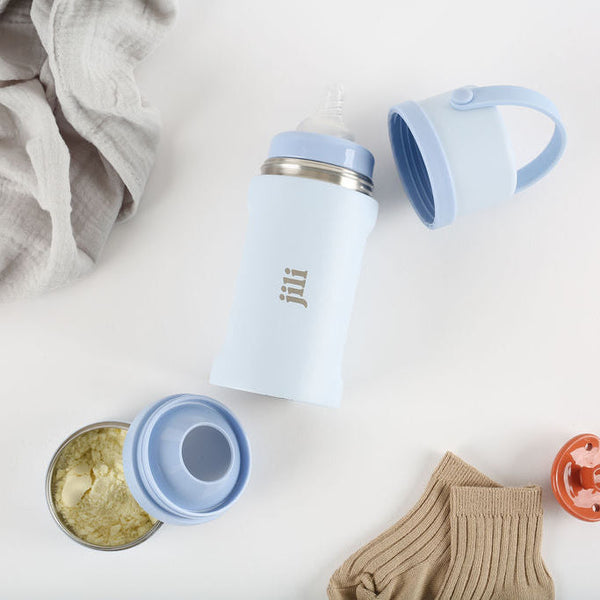
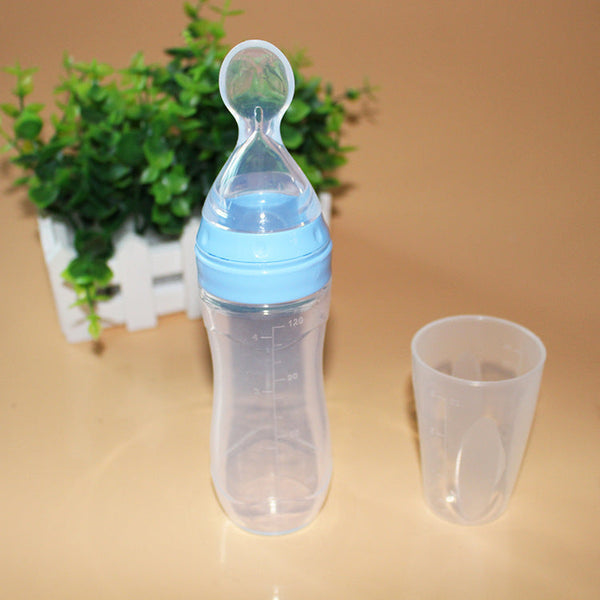
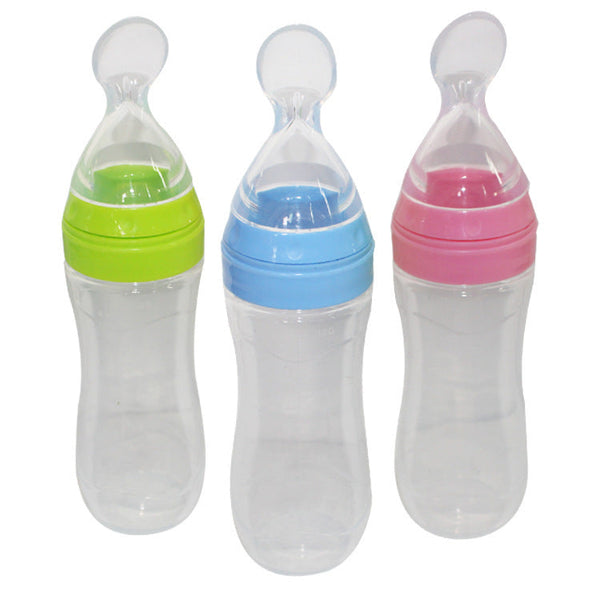
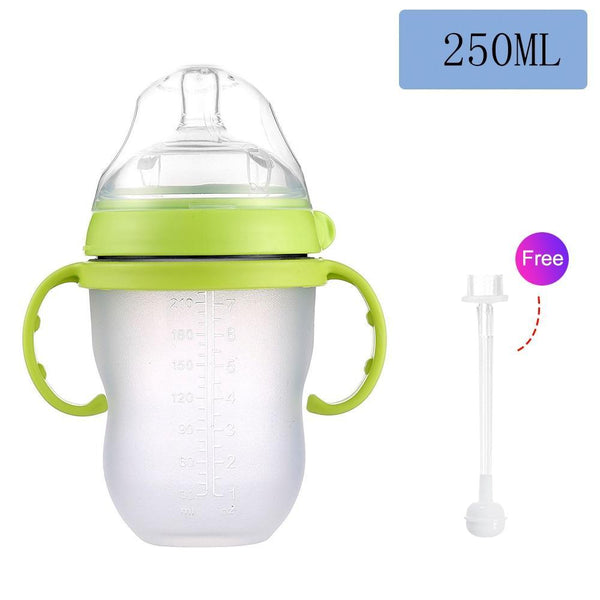
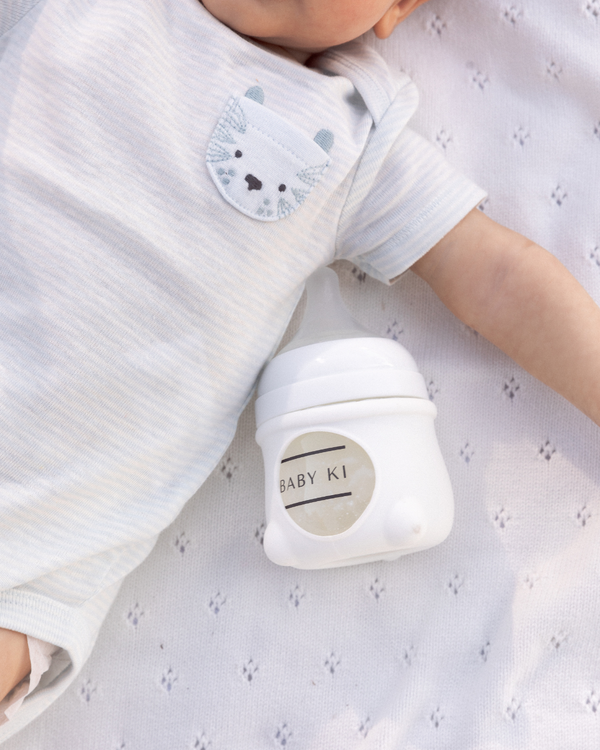
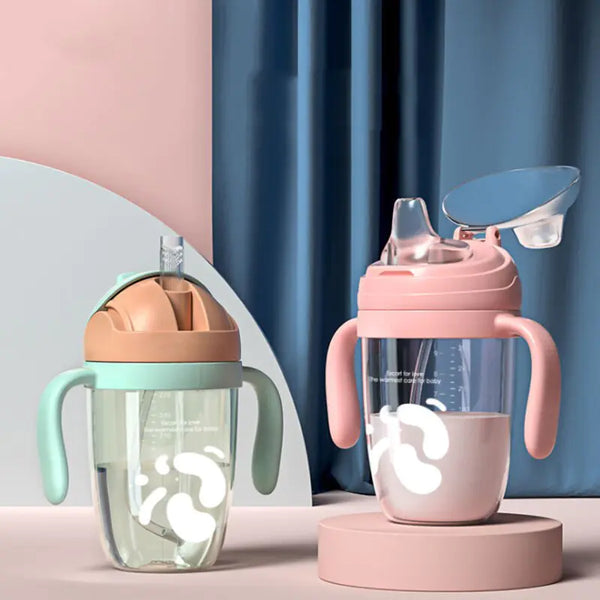
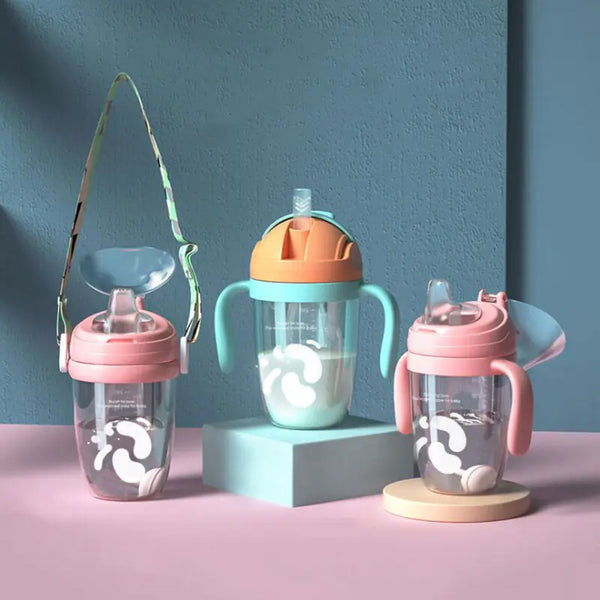
No products match that filter yet.
How to choose a baby bottle
Every baby is different, and plenty of parents try a couple of bottles before finding “the one.” Here’s what actually matters.
Pick a material
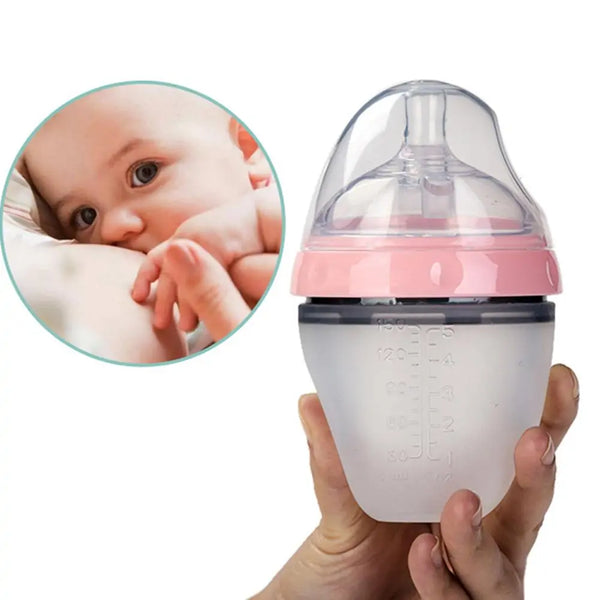
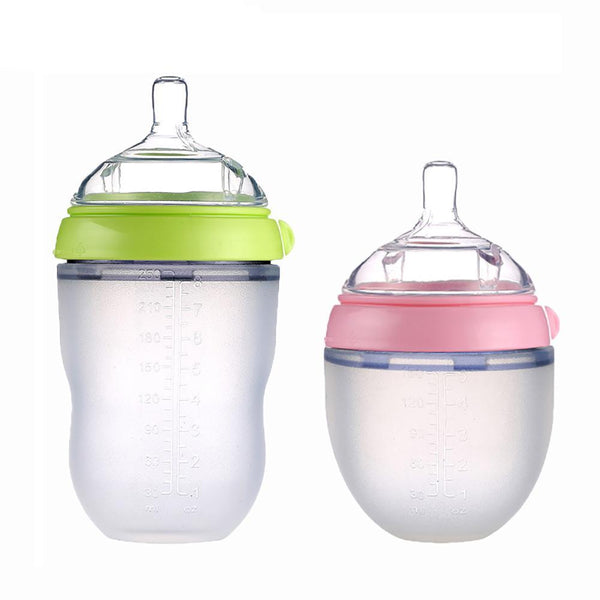
Glass is durable and easy to clean. Plastic is light and shatter-resistant. Silicone is soft and squeezable. All three work well; it mostly comes down to where you’ll use them.
Start with a slow-flow nipple
Newborns usually do best on the slowest flow. Move up a size if feeds start taking much longer or your baby seems frustrated. Breastfed babies often stay on slow flow longer.
Choose the right size
Smaller 4–5 oz bottles suit newborn feeds. As feeds grow, often around 4–6 months, larger 8–9 oz bottles save refills.
Think about venting
Vented or anti-colic designs aim to reduce the air babies swallow, which may help gassy or fussy feeders. The trade-off is usually a few more parts to wash.
How many you’ll need
As a rough guide, many parents keep 6–8 bottles for full-time bottle feeding, 3–4 for combo feeding and 1–2 for occasional bottles.
Keep them clean
Wash bottle parts after every feed. The CDC suggests sanitizing at least daily for babies under 2 months, born early or with weakened immune systems. Replace nipples that look cracked, thin or sticky.
Bottle materials at a glance
| Material | Weight | Durability | Good to know |
|---|---|---|---|
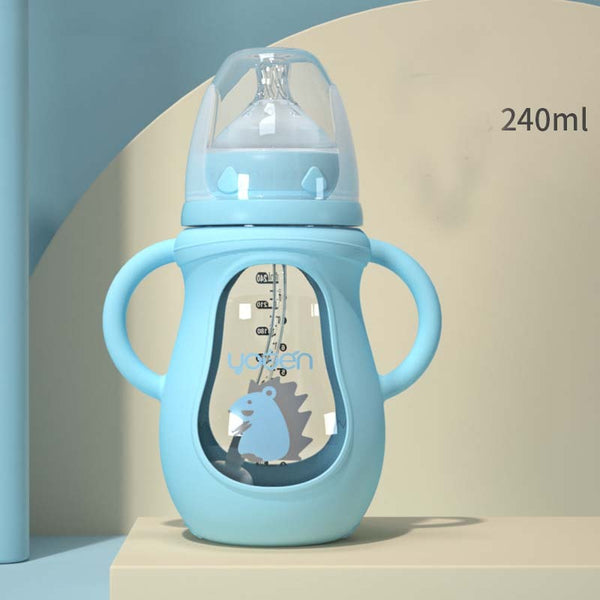
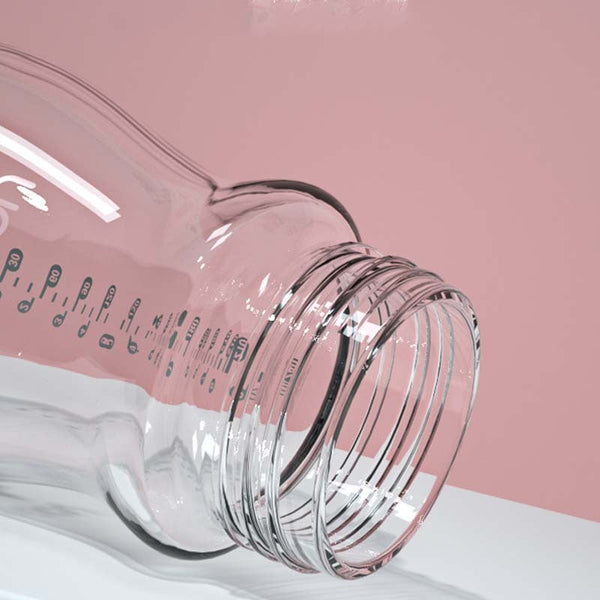
| Glass | Heavier | Long-lasting; can break if dropped | Easy to clean, doesn’t hold smells. Silicone sleeves add grip and protection. |
| Plastic (PP / PPSU) | Light | Shatter-resistant | Great for daycare and travel. Choose BPA-free and replace if scratched or cloudy. |
| Silicone | Light | Soft and flexible | Squeezable and gentle to hold. Some babies like the softer feel. |
Complete the feeding setup
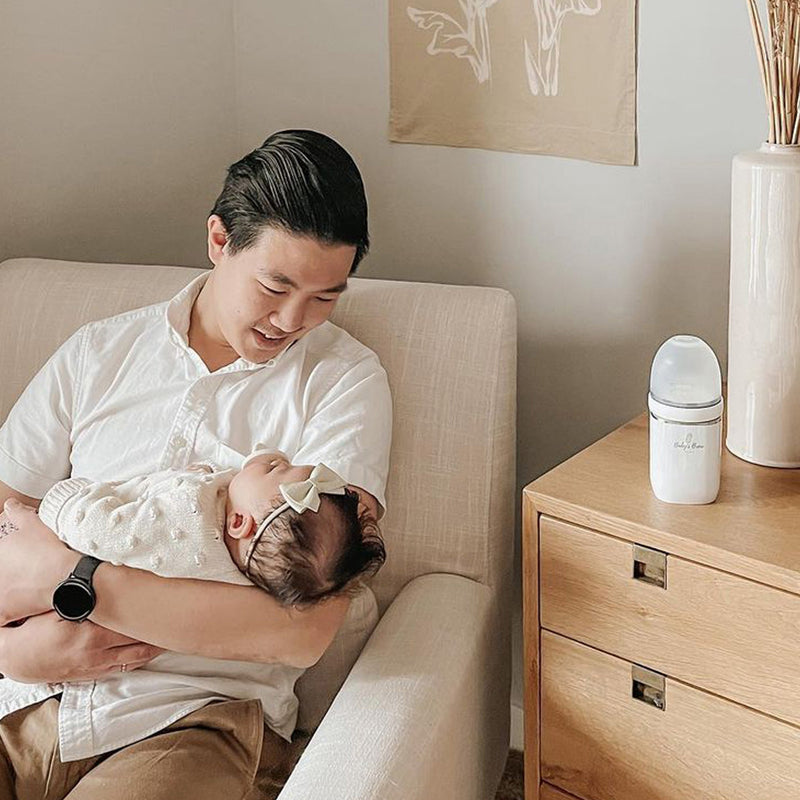 Feeding on the goBottle warmersWarm breast milk or formula evenly, at home or out and about.Shop warmers
 Real breast milkFill the bottle with real breast milkIt’s My Leche is 100% donor breast milk in shelf-stable sachets. Add 2 oz of water and it’s ready.Shop It’s My Leche
 Not sure which formula?The best baby formulas of 2026Our side-by-side rankings on ingredients, digestion, sourcing and value.See the rankings
Baby bottle questions, answered
General information only, not medical advice. Your pediatrician knows your baby best.
Ask us a questionWhat’s the best bottle for a newborn?
A small 4–5 oz bottle with the slowest-flow nipple is a good place to start. Many parents buy one or two styles first and stock up once they know what their baby likes.
Glass or plastic: which is better?
Both are good choices. Glass is long-lasting and easy to clean but heavier; plastic is lighter and better for daycare and travel. Whichever you choose, look for BPA-free plastic and replace bottles that are scratched or cloudy.
What’s the best bottle for a breastfed baby?
Look for a slow-flow nipple with a wider, gradual shape, and try paced bottle feeding: hold the bottle more horizontally and let your baby take breaks. A lactation consultant can help if your baby struggles to switch.
How often should I replace bottles and nipples?
Many manufacturers suggest replacing nipples every 2–3 months, or sooner if they crack, thin out or change shape. Replace bottles if they’re chipped, cracked, scratched or cloudy.
How do I warm a bottle safely?
Set the bottle in warm water or use a bottle warmer, then test a few drops on your wrist; it should feel lukewarm. Never use a microwave, which can create hot spots.
When should my baby move to a cup?
Many pediatricians suggest introducing an open or straw cup around 6 months and moving off bottles between 12 and 18 months. Your pediatrician can help you plan the switch.
More about our baby bottles
Discover premium baby bottles designed to support comfortable, stress-free feeding for newborns and growing infants. At Granola Baby, we carefully curate baby bottles made with high-quality materials, anti-colic technology, and parent-friendly designs to help make feeding easier for both babies and caregivers.
Whether you're bottle feeding full-time, supplementing breastfeeding, or preparing for daycare, our collection includes trusted options built for every stage of your baby’s feeding journey. From glass baby bottles and silicone bottles to lightweight BPA-free plastic options, you'll find feeding essentials designed with safety, comfort, and convenience in mind.
Many of our baby bottles feature advanced venting systems that help reduce gas, spit-up, and colic symptoms while promoting a smoother feeding experience. Designed with easy-to-clean parts, leak-resistant construction, and breast-like nipples, these bottles help support natural latching and seamless transitions between breast and bottle feeding.
Why Parents Love Our Baby Bottle Collection:
- Anti-colic designs to help reduce gas and fussiness
- BPA-free, baby-safe materials for peace of mind
- Options in glass, silicone, and lightweight plastic
- Breast-like nipples that support natural feeding
- Easy-to-clean bottles designed for busy parents
- Trusted brands curated for quality and performance
At Granola Baby, we believe feeding time should feel safe, simple, and comforting. Explore our collection of baby bottles designed to support healthy feeding routines from newborn through toddler stages.