Quick answer
- For most healthy babies, follow the label and use safe tap or bottled water.
- Babies under 2 months, born early or with weakened immune systems: mix powder with water at least 158°F (70°C), then cool before feeding.
- Use prepared formula within 2 hours of making it and within 1 hour of starting a feed.
- Refrigerate bottles you won’t use right away and use them within 24 hours.
How to make a bottle, step by step
- Clean your space. Wipe the counter and wash your hands with soap and water.
- Check the container. Make sure the formula isn’t past its use-by date, and check our recall tracker if you’re unsure.
- Add water first. Pour the exact amount of safe water into a clean bottle.
- Add powder. Use only the scoop that came with the formula, level it off, and add the number of scoops the label says.
- Cap and shake until fully mixed. Shaking mixes better than stirring.
- Check the temperature by dripping a little on your inner wrist. It should feel lukewarm, not hot.
Never water down formula or add extra powder. Too much water can cause dangerously low sodium levels; too little can strain a baby’s kidneys and cause dehydration.
Which water should you use?
- Tap water is fine if your local water is safe to drink. Run cold water for a few seconds first.
- Well water should be tested regularly, especially for nitrates and bacteria.
- Bottled water works too. Water labeled for infants is optional, not required.
- Fluoride: if you mix formula with fluoridated water, ask your pediatrician whether to use low-fluoride water sometimes.
Extra steps for newborns and higher-risk babies
Powdered formula isn’t sterile. Rarely, it can contain Cronobacter bacteria, which can cause serious infections in very young babies. The CDC suggests extra steps if your baby is younger than 2 months, was born before 37 weeks, or has a weakened immune system:
- Boil water and let it cool for about 5 minutes, so it’s still at least 158°F (70°C).
- Add the water to the bottle, then the formula powder.
- Shake carefully; the bottle will be hot.
- Cool quickly under cold running water or in an ice bath with the cap on.
- Test on your wrist before feeding.
Ready-to-feed liquid formula is sterile until opened, so it’s another option for newborns and outings.
Warming bottles
Babies don’t need warm formula, but many prefer it. Set the bottle in a bowl of warm water or use a bottle warmer. Never use the microwave; it heats unevenly and can create hot spots that burn.
How long does prepared formula last?
| Situation | Use within |
|---|---|
| Prepared bottle at room temperature | 2 hours of mixing |
| Once your baby starts feeding | 1 hour, then throw away leftovers |
| Prepared bottle in the refrigerator | 24 hours |
| Opened powder container | Usually 1 month (check the label) |
| Opened liquid concentrate or ready-to-feed | Per label, refrigerated and covered |
Making bottles on the go
- Carry pre-measured powder and water separately, then mix when your baby is ready.
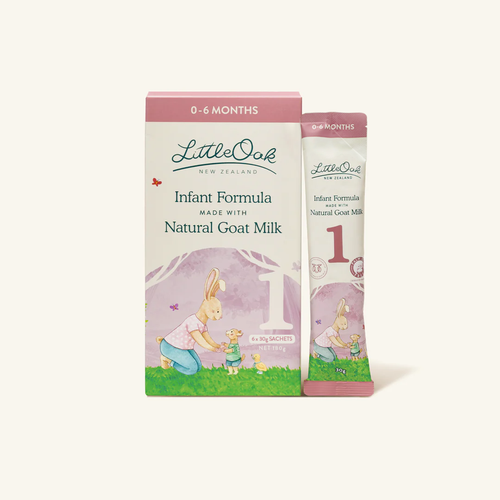
- Single-serve sachets make this easy. LittleOak travel sachets are pre-measured for one bottle.
- Keep prepared bottles cold in an insulated bag with ice packs and use within the time limits above.
Frequently asked questions
Can I use tap water for baby formula?
Yes, if your local tap water is safe to drink. If you have well water or aren’t sure about your water, ask your local health department or pediatrician.
Do I need to boil water for formula?
For most healthy babies, no. The CDC suggests using hot water (at least 158°F) for babies under 2 months, born prematurely, or with a weakened immune system.
How long can formula sit out?
Use prepared formula within 2 hours of mixing, and within 1 hour once your baby starts drinking. Throw away anything left in the bottle.
Can I make bottles ahead of time?
Yes. Refrigerate prepared bottles right away and use them within 24 hours.
Can I microwave formula?
No. Microwaves heat unevenly and can create hot spots. Use warm water or a bottle warmer.