

Ranking · Updated November 2026

The Best Breast Pumps of 2026

Double electric, wearable and manual pumps compared on suction, comfort, portability and price — plus how to get one through insurance at little or no cost.

How we make money: Granola Baby is reader-supported. Some links on this page are affiliate links, and we may earn a commission at no extra cost to you. Granola Baby also sells some of the products we review in our own shop. How we review.
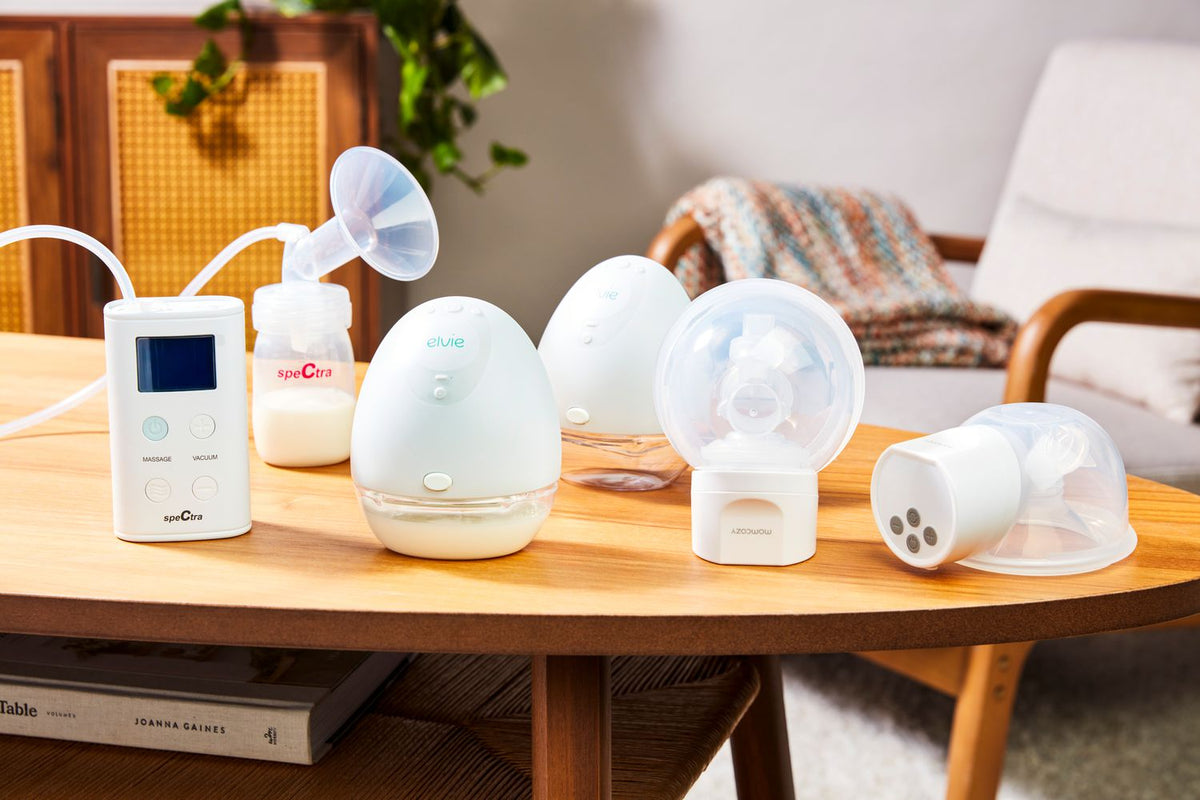
Breast pumps on a table
Spectra S1 PlusOur score: 9.5/10
Shop Spectra S1
Built with input from lactation consultants
Electric, wearable and manual compared
Insurance coverage explained
Pumping, by the numbers

Most families will pump at some point — and most plans help pay for it

$0
Most U.S. health plans must cover a breast pump with no copay or deductible
83.2%
of U.S. babies are breastfed at some point
55.8%
still get breast milk at 6 months — often from a pump
1 year
Federal law protects break time and a private space to pump at work for a year after birth

The best breast pumps at a glance

1
Spectra S1 Plus
Best overall

Quiet, adjustable, rechargeable double electric.

Shop Spectra
2
Best for insurance

A dependable, widely covered closed-system pump.

Shop Medela
3
Willow Go
Best wearable

Fully in-bra with reusable containers.

Shop Willow
4
Dr. Brown’s Customflow
Best budget electric

Affordable, pumps straight into Dr. Brown’s bottles.

Shop Dr. Brown’s
5
Best manual

Simple, silent and great for catching letdown.

Check price
1Best overallOften insurance-eligible

1. Spectra S1 Plus

9.5/ 10Double electricRechargeableClosed system
Best for: Exclusive pumpers and frequent pumping

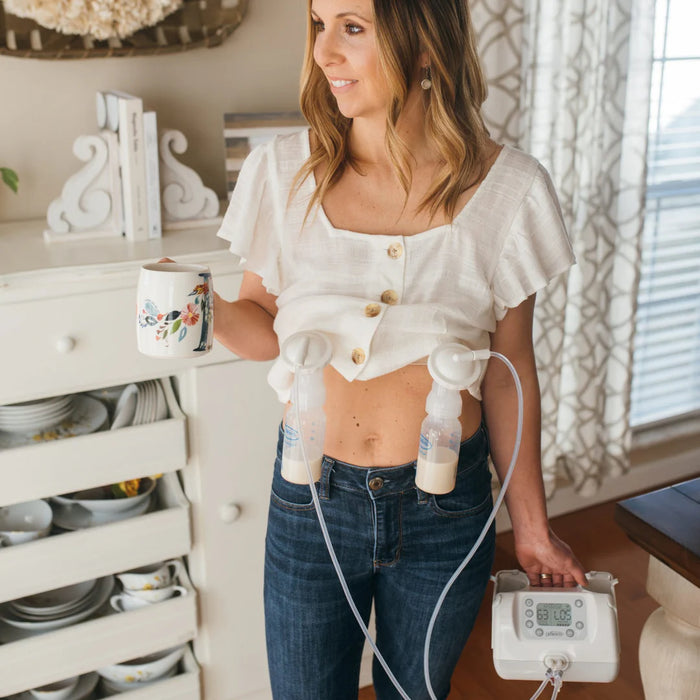
The S1 Plus’s digital controls let you adjust suction and cycle speed separately, so you can dial in what’s comfortable and effective for your body. Its built-in rechargeable battery means you can pump cord-free, and it runs quietly enough for shared spaces. A session timer, night light and settings memory round it out.

TypeDouble electric (single or double)
PowerRechargeable battery or plug-in
SystemClosed (helps keep milk out of the motor)
ExtrasTimer, night light, settings memory

Pros

  • Highly adjustable
  • Cord-free pumping
  • Quiet

Cons

  • Heavier and bulkier than wearables
  • Learning curve for settings
2Best for insuranceOften insurance-eligible

2. Medela Pump In Style with MaxFlow

9.0/ 10Double electricClosed systemBattery pack
Best for: Daily pumping on a dependable, widely covered pump

Medela designed the Pump In Style with MaxFlow for parents who pump several times a day. It’s a closed-system double electric pump inspired by Medela’s hospital Symphony pump, and it comes with a battery pack (takes 8 AA batteries) for pumping away from an outlet. Medela’s large parts ecosystem makes replacements easy to find.

TypeDouble electric
SystemClosed
PowerPlug-in or AA battery pack
ShieldsPersonalFit Flex (multiple sizes)

Pros

  • Simple to use out of the box
  • Widely covered by insurance
  • Parts easy to find

Cons

  • Battery pack uses disposable AAs
  • Not interchangeable with older Pump In Style parts
3Best wearable$$$

3. Willow Go

8.8/ 10WearableIn-braReusable containers
Best for: Pumping on the go, at work events or while caring for older kids

Willow Go fits entirely in your bra — no cords, tubes or bottles hanging down. It offers stimulation and expression modes with multiple suction levels, and collects milk in reusable containers instead of disposable bags. Like most wearables, it may yield less than a traditional double electric for some parents.

TypeWearable, in-bra
CollectionReusable containers
ControlsStimulation and expression modes

Pros

  • Fully hands-free
  • Discreet under clothes
  • No disposable bags

Cons

  • Can spill if you lean too far
  • Fit can be tricky for larger breasts
4Best budget electric$

4. Dr. Brown’s Customflow Double Electric

8.3/ 10Double electricBudgetSilicone shields
Best for: Occasional to moderate pumping on a budget

The Customflow offers let-down and expression modes, a memory setting, soft silicone shields, and pumps directly into Dr. Brown’s bottles — handy if that’s what your baby already uses.

TypeDouble electric
ShieldsSoft silicone
BottlesPumps into Dr. Brown’s bottles

Pros

  • Affordable
  • Comfortable silicone shields
  • Memory setting

Cons

  • Louder than premium pumps
  • Less powerful motor
5Best manual$

5. Haakaa Silicone Breast Pump

8.4/ 10ManualSiliconeSilent
Best for: Catching letdown, relieving engorgement, travel

The Haakaa is a one-piece silicone pump that uses gentle suction to collect milk — often on the opposite side while you nurse. It’s silent, easy to clean and inexpensive, making it a great add-on to any electric pump.

TypeManual silicone collector
PowerNone
CleaningOne piece, dishwasher-safe per brand

Pros

  • Very affordable
  • Silent
  • Nothing to assemble

Cons

  • Not a replacement for an electric pump if you pump often
Box of Leche single-serve sachets next to a baby bottle Your pumping backup

For the sessions you miss

Breast milk on hand, even when you can’t pump

Work trips, missed sessions, a dip in supply: It’s My Leche is 100% human donor breast milk in shelf-stable sachets, so there’s always a breast milk bottle ready. No freezer, no thawing.

  • 100% human donor breast milk, nothing added
  • Screened U.S. donors, pasteurized and third-party tested
  • Shelf-stable single-serve sachets, ready in seconds
$59.00It's My Leche
Read our review

A supplement, not a replacement for formula. Talk to your pediatrician before adding any new feeding product.

Breast pumps compared

Feature
Our top pick
Spectra S1 Plus
Spectra S1 Plus
Medela Pump In Style
Willow Go
Willow Go
Dr. Brown’s Customflow
Haakaa
TypeDouble electricDouble electricWearableDouble electricManual
PowerRechargeable + plug-inPlug-in + AA packRechargeablePlug-inNone
Hands-freeWith a pumping braWith a pumping braYes, in-braWith a pumping braYes
Best forExclusive pumpingDaily pumpingOn the goBudgetLetdown, travel
Price$$$$$$$$$
Where to buyShop Spectra Shop Medela Shop Willow Shop Dr. Brown’s Check price

Features based on manufacturer information as of November 2026.

How to get a breast pump through insurance

Under the Affordable Care Act, most health plans — Marketplace plans and most employer plans, except grandfathered plans — must cover breastfeeding equipment and support with no copay or deductible, for as long as you breastfeed.

  • Call your plan and ask which pumps are covered and whether you need a prescription.
  • Use an approved supplier. Many plans ship pumps through durable medical equipment (DME) companies.
  • Ask about upgrades. Some suppliers let you pay the difference for a wearable or rechargeable model.
  • Order before your due date so your pump is ready when you need it.

Which type of pump do you need?

Pump types
Double electricExclusive or frequent pumping; most efficient
WearablePumping on the go or while multitasking; may yield less
ManualOccasional use, travel, catching letdown
Hospital-grade rentalBuilding supply for preemies or NICU babies — ask your hospital
Flange fit matters most

A poorly fitting flange can hurt and reduce output. Measure your nipple diameter and try different sizes — a lactation consultant (IBCLC) can help, and many plans cover lactation support.

Breast pump FAQs

What does “hospital-grade” mean?

It isn’t an FDA category. Brands use it to describe strong, effective pumps. True multi-user hospital pumps are usually rented.

Closed or open system?

Closed-system pumps have a barrier that keeps milk out of the tubing and motor. Most lactation experts recommend them.

Can I buy a used pump?

Most personal pumps are designed for one user. If you buy used, choose a closed-system pump and replace every part that touches milk — or check whether your insurance covers a new one.

How we review breast pumps

We combine manufacturer specifications, guidance from lactation professionals and feedback from parents in our community.

Suction & efficiencyHow well each pump removes milk across settings.
Comfort & fitAdjustability and flange options for different bodies.
Ease of useSetup, cleaning, noise and portability.
Price & coverageRetail price and how often insurance covers it.