Quick answer
- Combo feeding means giving your baby both breast milk and formula, and it’s very common.
- Many lactation consultants suggest waiting until breastfeeding is established, often around 3–4 weeks, if you can.
- Pump when your baby takes a formula bottle if you want to protect your supply.
- Use a slow-flow nipple and paced bottle feeding.
- Never add formula powder to breast milk.
Why families combo feed
- Returning to work or school
- Low milk supply or a supply dip
- Sharing night feeds with a partner
- A baby who needs extra calories, as advised by a pediatrician
- Simply wanting more flexibility
There’s no wrong reason. Any amount of breast milk counts.
How to start
- Pick one feed to replace. Many families start with a late-evening or early-morning bottle.
- Choose a formula. See our best formulas for combo feeding.
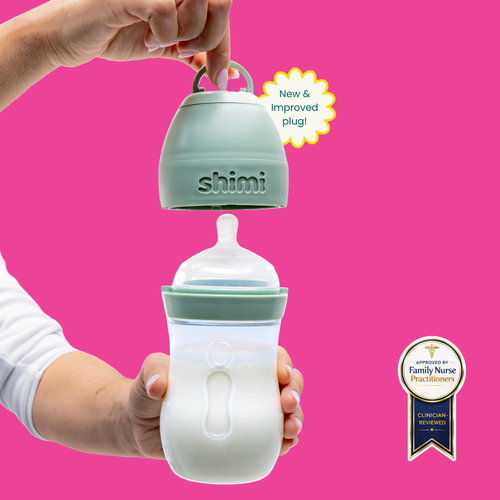
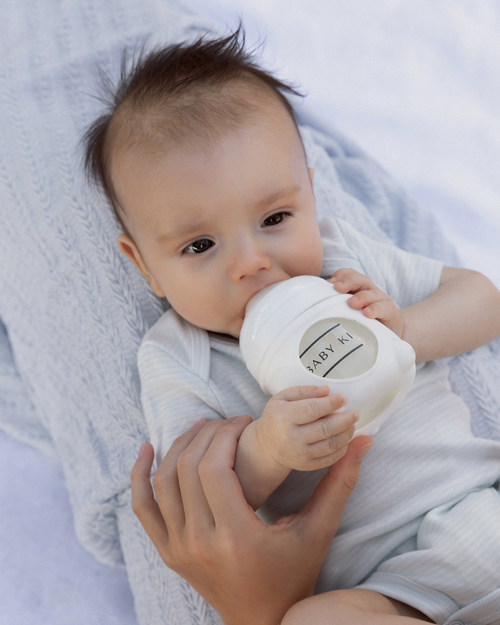
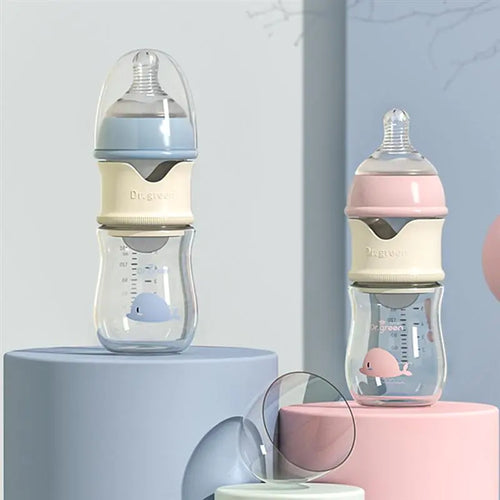
- Choose a bottle with a slow-flow nipple; browse our bottles.
- Let someone else offer the first bottles. Some babies take a bottle more easily from a partner.
- Go slowly. Add more formula feeds one at a time, a few days apart.
Sample combo feeding schedules
| Goal | Example day |
|---|---|
| Mostly breast milk | Breastfeed on demand; one formula bottle in the evening; pump at that time if you want to protect supply |
| Back at work | Breastfeed morning and evening; pumped milk or formula bottles during the day |
| Supplementing for supply | Breastfeed first, then offer a small formula top-up if your pediatrician recommends it |
| Mostly formula | Formula bottles through the day; breastfeed for comfort feeds or at night |
Protecting your milk supply
Milk supply works on supply and demand: the more milk removed, the more you make. When a formula bottle replaces a breastfeed, your body gets a signal to make less. To keep supply steady:
- Pump around the time your baby has a formula bottle
- Keep night feeds at the breast in the early months, if you can
- Watch for signs of low supply, and talk to an IBCLC lactation consultant early
- See our best breast pumps of 2026
Paced bottle feeding
Paced feeding lets your baby control the flow, more like breastfeeding:
- Hold your baby upright.
- Keep the bottle more horizontal, so the nipple is only partly full.
- Let your baby draw the nipple in themselves.
- Pause every few minutes by tipping the bottle down.
- Switch sides halfway through, like you would at the breast.
Can you mix breast milk and formula in one bottle?
You can, as long as the formula is prepared exactly as directed first, then combined with breast milk. Never add formula powder straight to breast milk; it changes the concentration. Many families keep them in separate bottles so precious breast milk isn’t wasted if baby doesn’t finish. Once combined, follow the shorter time limit for formula. See our formula prep guide and breast milk storage guide.
Want more breast milk in the mix?
If your supply is lower than you’d like, screened donor milk is another option. Learn how it works in our donor breast milk guide.
Frequently asked questions
Is combo feeding bad for my baby?
No. Combination feeding is common and lets babies get the benefits of breast milk along with the reliability of formula.
Will my baby get nipple confusion?
Some babies do prefer one way of feeding. Waiting until breastfeeding is established, using a slow-flow nipple and paced feeding can help.
How much formula should I give when combo feeding?
It depends on how much breast milk your baby gets. Follow hunger and fullness cues, track wet diapers and weight, and see our formula chart for typical totals.
Should I breastfeed or bottle first?
If you’re supplementing to boost intake, breastfeed first, then offer a bottle. If a bottle is replacing a feed, offer the bottle on its own.