
Baby bottles, made simple
Glass, plastic and silicone bottles for newborns, combo feeding and growing babies, plus a quick guide to finding the right one for your little one.
- Glass, plastic and silicone options
- Newborn to toddler
- Hand-picked by parents

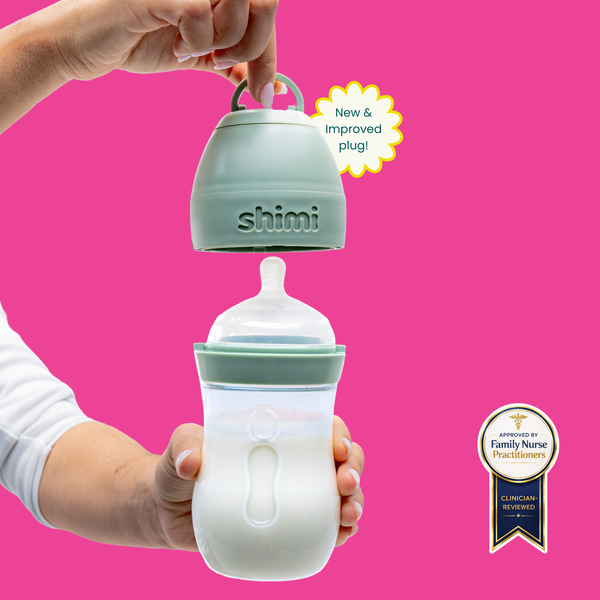
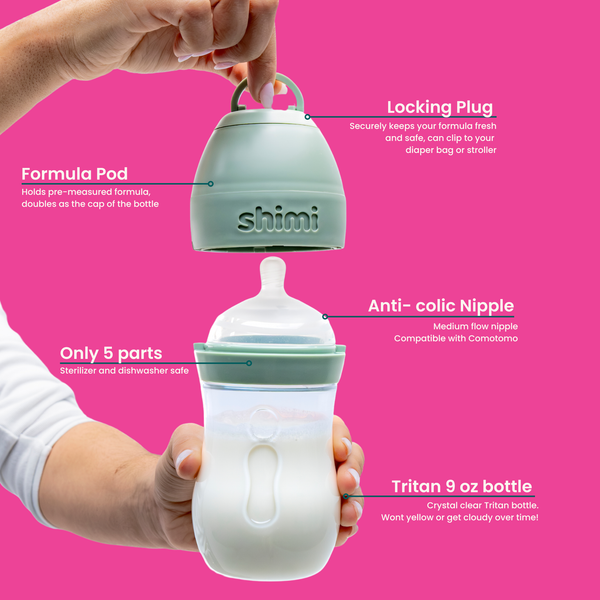
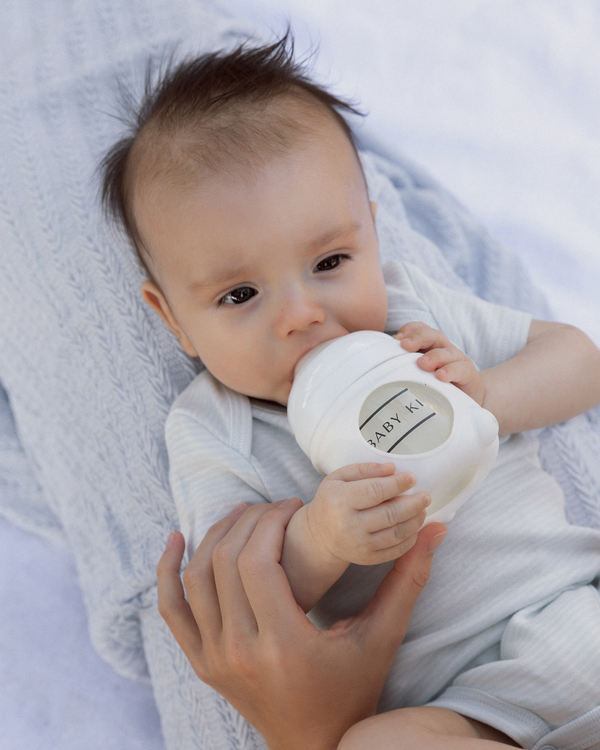
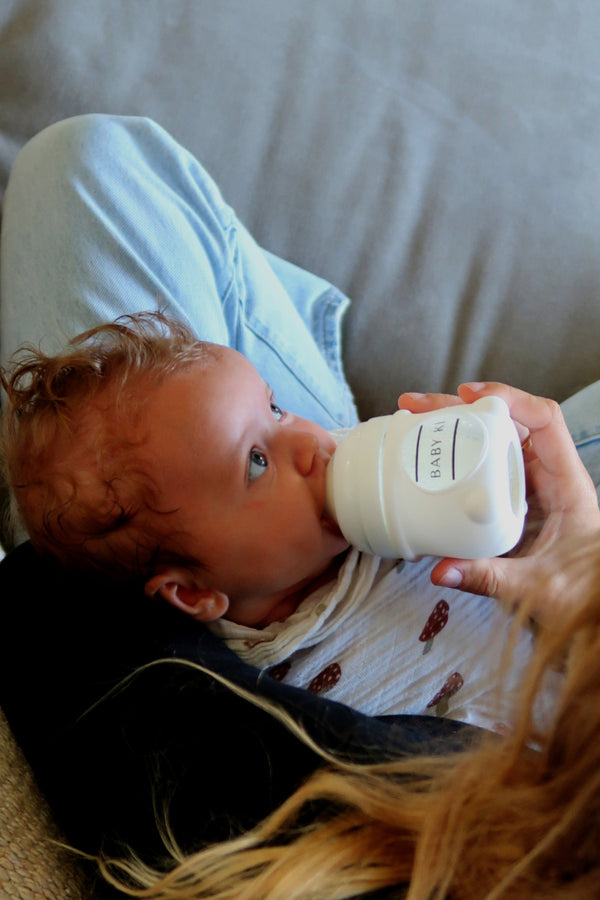
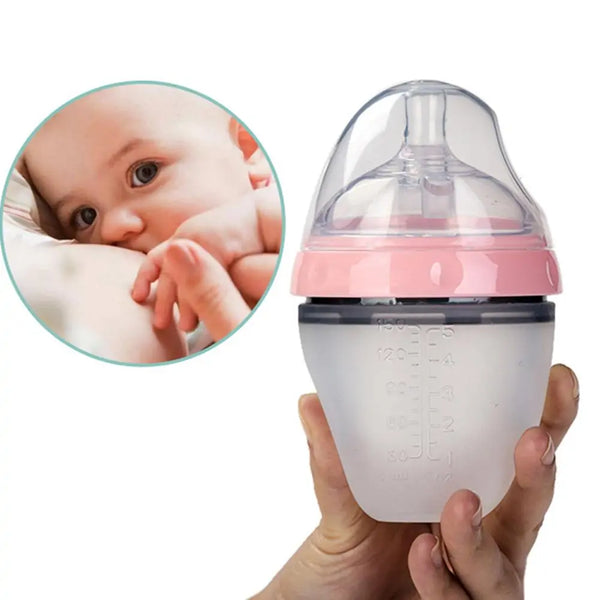
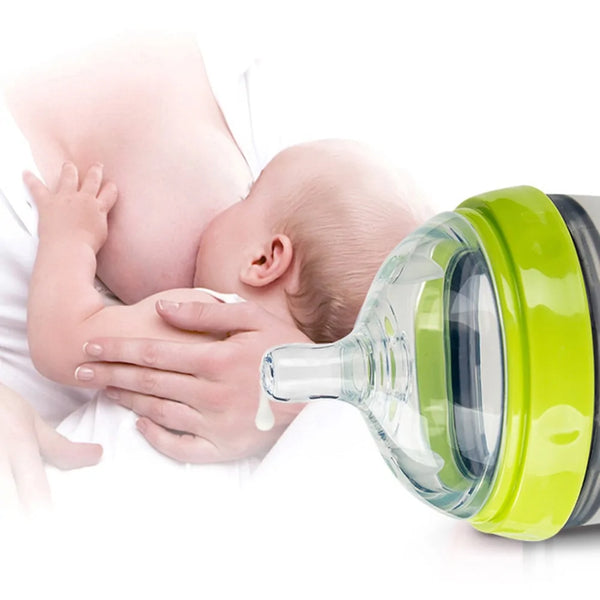

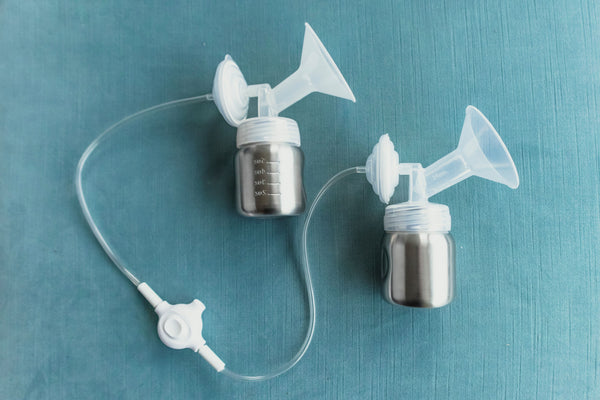
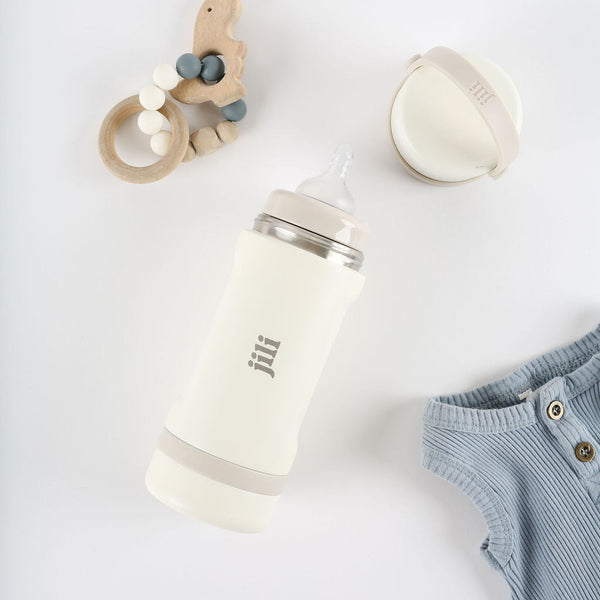
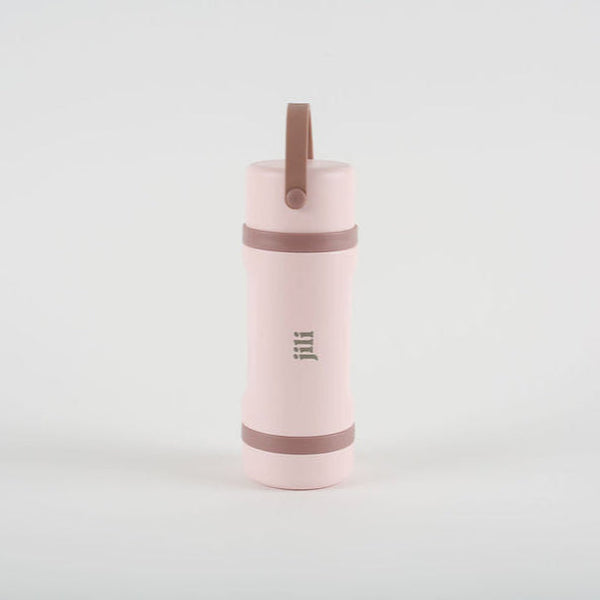
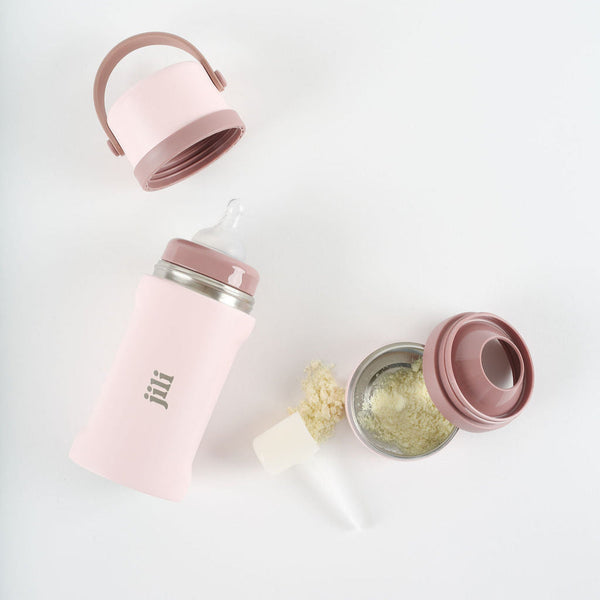
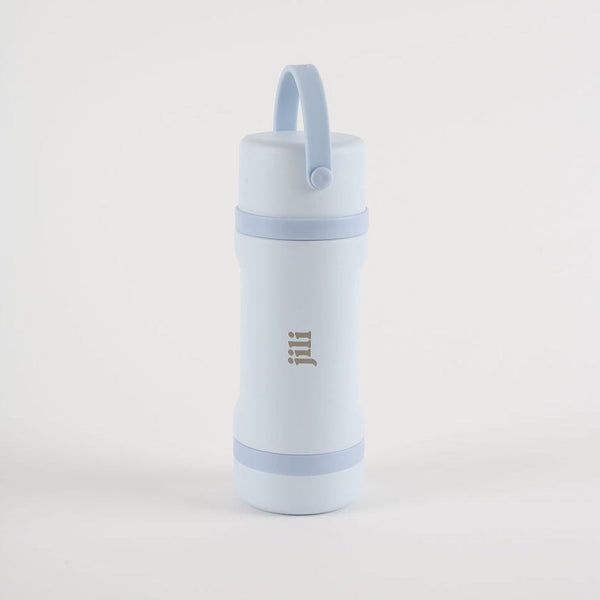
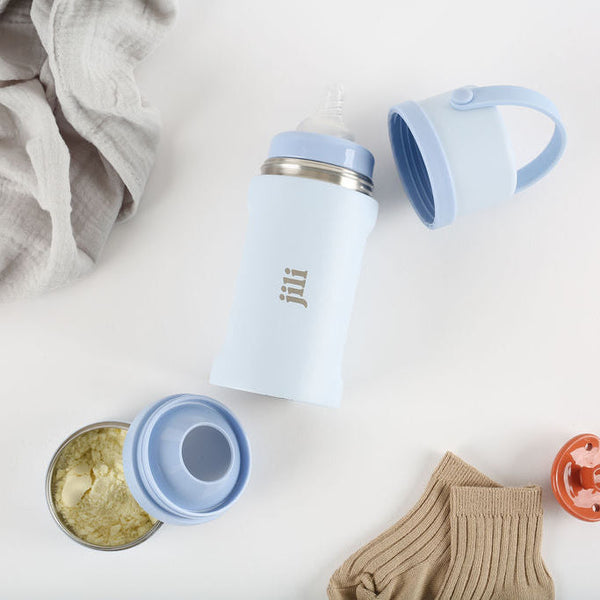
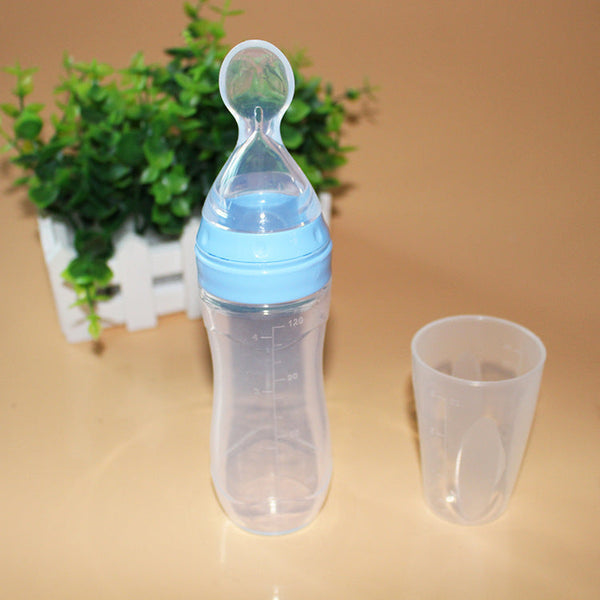
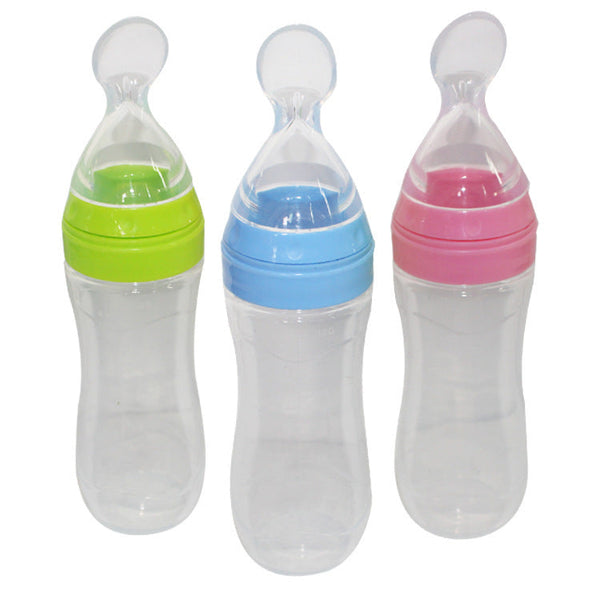
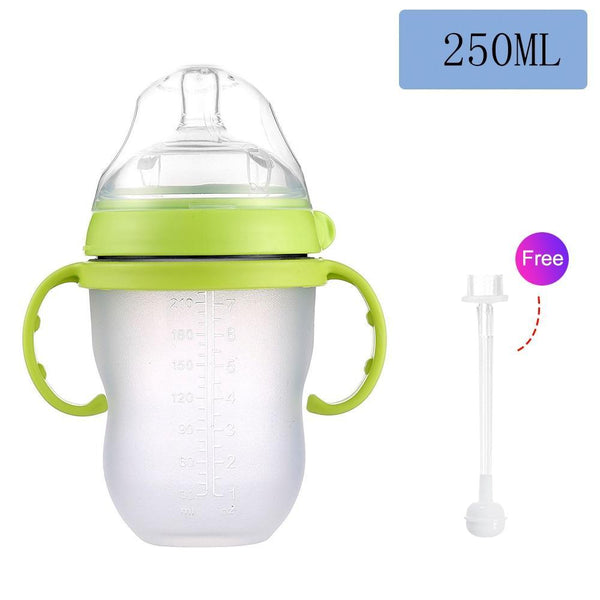
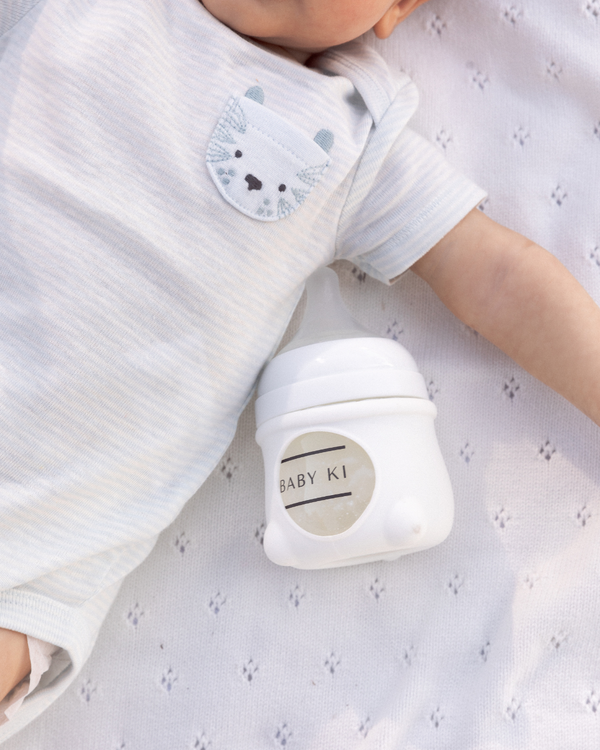
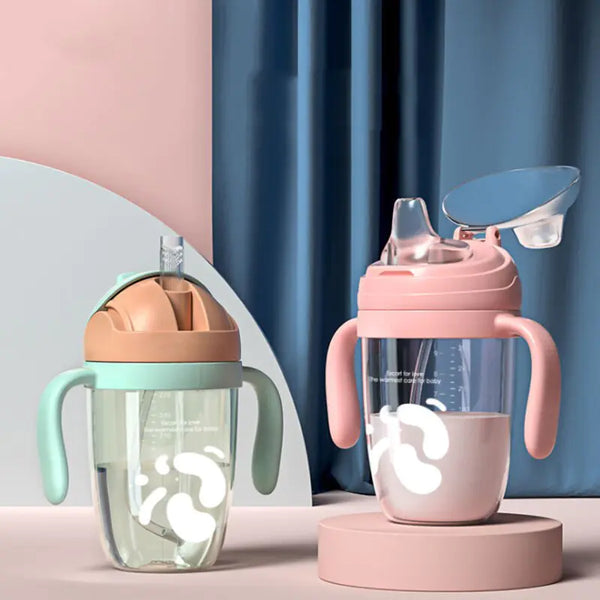
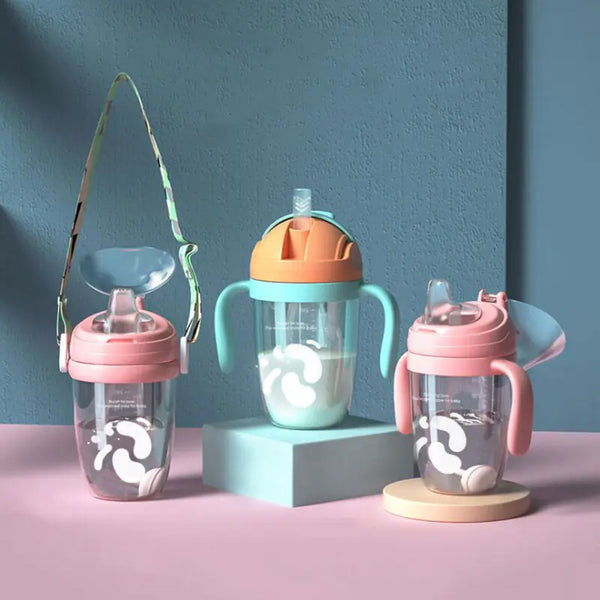
No products match that filter yet.
How to choose a baby bottle
Every baby is different, and plenty of parents try a couple of bottles before finding “the one.” Here’s what actually matters.
Pick a material
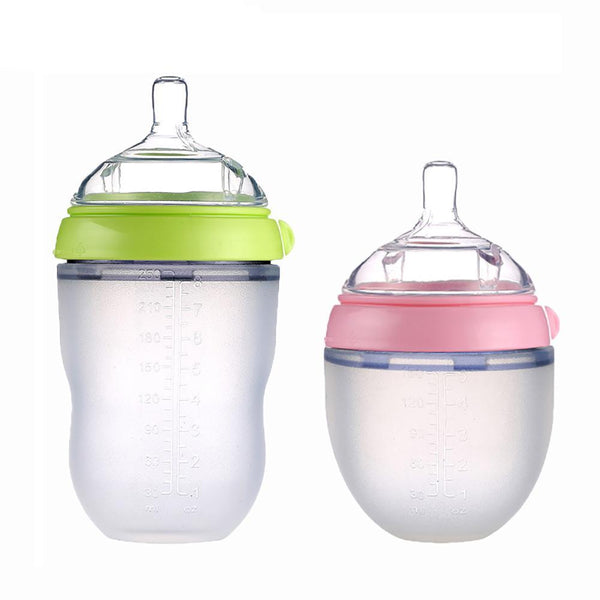
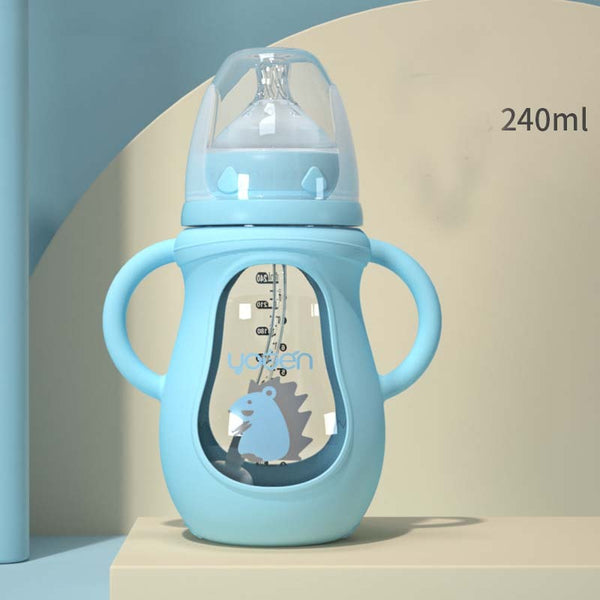
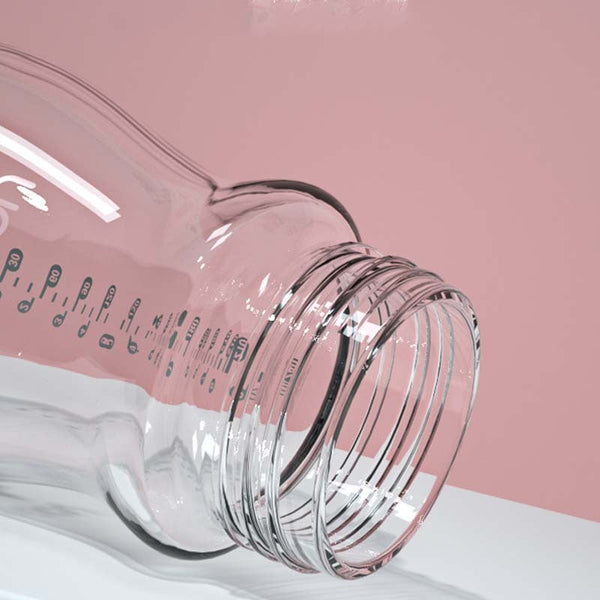
Glass is durable and easy to clean. Plastic is light and shatter-resistant. Silicone is soft and squeezable. All three work well; it mostly comes down to where you’ll use them.
Start with a slow-flow nipple
Newborns usually do best on the slowest flow. Move up a size if feeds start taking much longer or your baby seems frustrated. Breastfed babies often stay on slow flow longer.
Choose the right size
Smaller 4–5 oz bottles suit newborn feeds. As feeds grow, often around 4–6 months, larger 8–9 oz bottles save refills.
Think about venting
Vented or anti-colic designs aim to reduce the air babies swallow, which may help gassy or fussy feeders. The trade-off is usually a few more parts to wash.
How many you’ll need
As a rough guide, many parents keep 6–8 bottles for full-time bottle feeding, 3–4 for combo feeding and 1–2 for occasional bottles.
Keep them clean
Wash bottle parts after every feed. The CDC suggests sanitizing at least daily for babies under 2 months, born early or with weakened immune systems. Replace nipples that look cracked, thin or sticky.
Bottle materials at a glance
| Material | Weight | Durability | Good to know |
|---|---|---|---|
| Glass | Heavier | Long-lasting; can break if dropped | Easy to clean, doesn’t hold smells. Silicone sleeves add grip and protection. |
| Plastic (PP / PPSU) | Light | Shatter-resistant | Great for daycare and travel. Choose BPA-free and replace if scratched or cloudy. |
| Silicone | Light | Soft and flexible | Squeezable and gentle to hold. Some babies like the softer feel. |
Complete the feeding setup
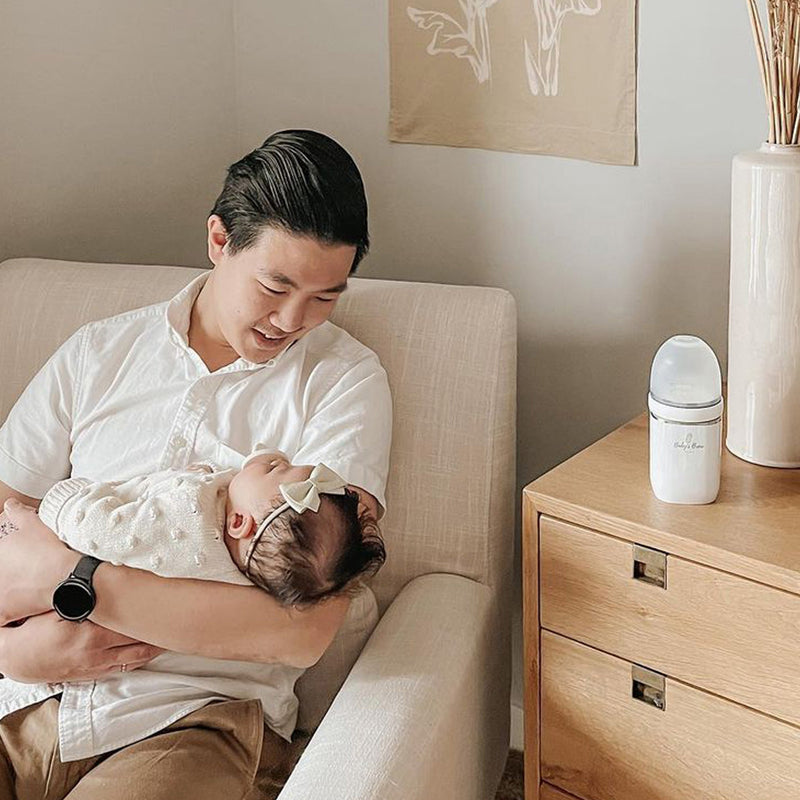 Feeding on the goBottle warmersWarm breast milk or formula evenly, at home or out and about.Shop warmers
 Real breast milkFill the bottle with real breast milkIt’s My Leche is 100% donor breast milk in shelf-stable sachets. Add 2 oz of water and it’s ready.Shop It’s My Leche
 Not sure which formula?The best baby formulas of 2026Our side-by-side rankings on ingredients, digestion, sourcing and value.See the rankings
Baby bottle questions, answered
General information only, not medical advice. Your pediatrician knows your baby best.
Ask us a questionWhat’s the best bottle for a newborn?
A small 4–5 oz bottle with the slowest-flow nipple is a good place to start. Many parents buy one or two styles first and stock up once they know what their baby likes.
Glass or plastic: which is better?
Both are good choices. Glass is long-lasting and easy to clean but heavier; plastic is lighter and better for daycare and travel. Whichever you choose, look for BPA-free plastic and replace bottles that are scratched or cloudy.
What’s the best bottle for a breastfed baby?
Look for a slow-flow nipple with a wider, gradual shape, and try paced bottle feeding: hold the bottle more horizontally and let your baby take breaks. A lactation consultant can help if your baby struggles to switch.
How often should I replace bottles and nipples?
Many manufacturers suggest replacing nipples every 2–3 months, or sooner if they crack, thin out or change shape. Replace bottles if they’re chipped, cracked, scratched or cloudy.
How do I warm a bottle safely?
Set the bottle in warm water or use a bottle warmer, then test a few drops on your wrist; it should feel lukewarm. Never use a microwave, which can create hot spots.
When should my baby move to a cup?
Many pediatricians suggest introducing an open or straw cup around 6 months and moving off bottles between 12 and 18 months. Your pediatrician can help you plan the switch.
More about our baby bottles
探索優質奶瓶,專為新生兒和成長中的嬰兒提供舒適、無壓力的餵食體驗。在 Granola Baby,我們精心挑選採用高品質材料、防脹氣技術和方便父母使用的設計的奶瓶,幫助嬰兒和照護者輕鬆餵食。
無論您是全瓶餵、母乳與配方奶混合餵養,還是為托兒所做準備,我們的系列產品都提供值得信賴的選擇,滿足您寶寶餵食旅程的每個階段。從玻璃奶瓶、矽膠奶瓶到輕巧的無雙酚 A 塑膠選項,您會找到兼顧安全性、舒適性和便利性的餵食必需品。
我們的許多奶瓶都採用先進的通風系統,有助於減少脹氣、溢奶和絞痛症狀,同時促進更順暢的餵食體驗。這些奶瓶採用易於清潔的部件、防漏結構和近似母乳的奶嘴設計,有助於支持自然吸吮和母乳與奶瓶餵養之間的無縫轉換。
父母喜愛我們奶瓶系列的原因:
- 防脹氣設計有助於減少脹氣和煩躁情緒
- 不含雙酚 A,嬰兒安全材料,讓您安心
- 提供玻璃、矽膠和輕巧塑膠材質的選擇
- 近似母乳的奶嘴,支持自然餵食
- 易於清潔的奶瓶,專為忙碌的父母設計
- 精選值得信賴的品牌,確保品質和性能
在 Granola Baby,我們相信餵食時間應該是安全、簡單且舒適的。探索我們的奶瓶系列,專為支持新生兒到學步期的健康餵食習慣而設計。