Quick answer
- Colostrum is the thick, nutrient-rich first milk your body makes in late pregnancy and the first days after birth.
- Some parents collect it before birth, usually from around 36–37 weeks, but only with their provider’s OK.
- Collect by hand expression into small syringes; amounts are tiny, often drops to a teaspoon.
- Label, freeze and bring it to the hospital in a cooler.
What is colostrum?
Colostrum is your baby’s first food. It’s small in volume but concentrated, rich in antibodies, protein and immune factors, and it helps your baby’s gut get started. Over the first few days after birth, it gradually transitions to mature milk.
Why collect colostrum before birth?
Collecting colostrum in late pregnancy, sometimes called antenatal hand expression, gives you a small supply ready to go if your baby needs extra feeding support after birth. Providers sometimes suggest it if you have diabetes, if your baby is expected to need extra monitoring, or if you’ve had breastfeeding challenges before.
Ask your provider before you start. Nipple stimulation can trigger contractions, so antenatal expression isn’t recommended for everyone, for example if you’re at risk of preterm labor, have placenta previa or have been advised against it.
When to start
If your provider agrees, many start around 36–37 weeks. A large Australian study of low-risk pregnant people with diabetes found that expressing from 36 weeks didn’t increase NICU admissions, but your own care team’s advice comes first.
How to hand express colostrum
- Wash your hands and have a clean syringe ready.
- Gently massage your breast and apply a warm compress for a minute or two.
- Place your thumb and fingers in a C shape about an inch behind the nipple.
- Press back toward your chest, then gently compress your fingers together and release. Repeat rhythmically.
- Rotate your hand position around the breast, and switch sides when the flow slows.
- Collect drops with the syringe.
- Start with a few minutes, 1–3 times a day, and stop if you feel cramping or contractions.
Labeling and storing colostrum
- Cap the syringe and label it with your name, date and time.
- You can refrigerate syringes and add to the same one within the same day, then freeze.
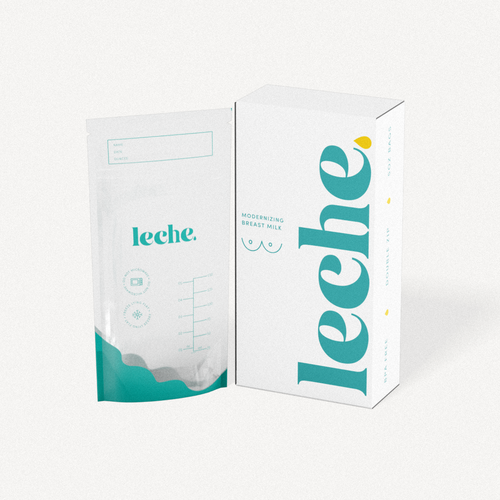
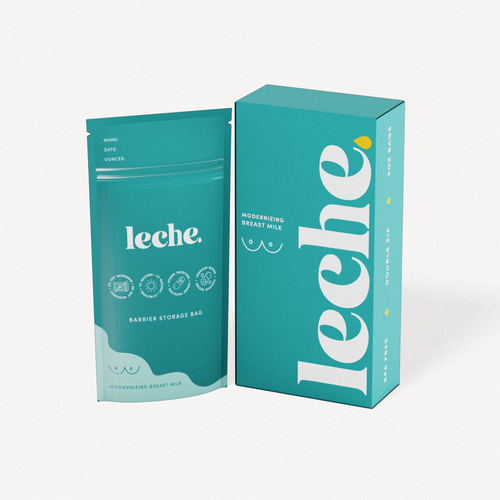
- Freeze in a sealed bag or container, following breast milk storage guidelines.
- Bring frozen syringes to the hospital in a cooler with ice packs and tell your nurse right away.
What you’ll need
- Sterile oral syringes (1 mL works well)
- Syringe caps
- Labels and a pen
- Freezer bags or a small container
- A small cooler and ice packs for the hospital
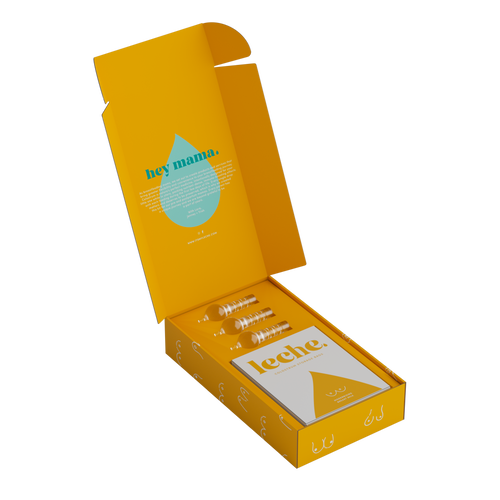
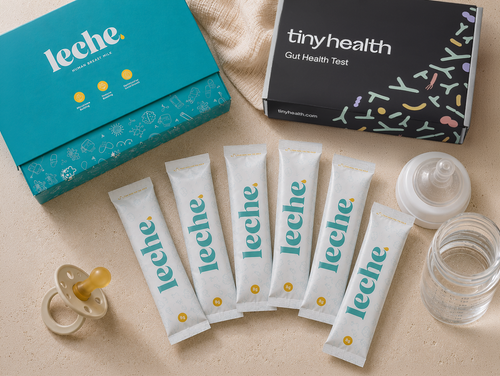
The It’s My Leche colostrum collection kit bundles the essentials, and our storage collection has bags for later.
After birth
In the first days, frequent feeding and skin-to-skin contact help your milk come in. Hand expression can still help if your baby is sleepy or needs extra support. Ask for a lactation consultant at the hospital.
Frequently asked questions
When can I start collecting colostrum?
Many start around 36–37 weeks of pregnancy, but only after talking with their provider, because nipple stimulation can trigger contractions.
How much colostrum is normal to collect?
Very little: often drops to a teaspoon per session. That’s normal, and every drop counts.
Can I use a pump to collect colostrum?
Hand expression usually works better for the small amounts of colostrum. Pumps are more useful once your milk comes in.
How long can frozen colostrum be stored?
Follow general breast milk freezer guidelines: about 6 months is best, and up to 12 months in a deep freezer.