Quick answer
- Some tenderness in the first days is common; pain that lasts, cracks or bleeding usually mean something needs adjusting.
- The most common cause is latch or positioning; for pumping parents, it’s often flange size.
- Balms, hydrogel pads and air-drying can soothe sore nipples while you fix the cause.
- See an IBCLC lactation consultant early, and call your doctor for fever, a hard red area or signs of infection.
Common causes of sore nipples
- Shallow latch: baby is sucking mostly on the nipple instead of taking in a mouthful of breast.
- Positioning: baby’s head is turned, or their body isn’t facing you.
- Tongue or lip tie: limited tongue movement can make latching painful.
- Pump problems: the wrong flange size or suction set too high.
- Thrush: a yeast infection that can cause burning pain and shiny or flaky skin.
- Vasospasm: nipples turn white and throb after feeds, often in the cold.
How to improve the latch
- Hold your baby close, tummy to tummy, with their nose level with your nipple.
- Wait for a wide-open mouth, like a yawn.
- Bring baby to the breast (not breast to baby), chin first.
- Look for flanged lips and more of the areola visible above the top lip than below.
- If it hurts after the first few seconds, break the seal with a clean finger and try again.
What helps sore nipples
| Option | How it helps |
|---|---|
| Nipple balm or cream | Keeps skin moisturized and supports healing; look for products labeled safe for nursing |
| Hydrogel pads | Cooling, moist relief between feeds |
| Air-drying | Let nipples dry after feeds to reduce irritation |
| Breast shells or silver nursing cups | Keep fabric off tender skin |
| Correct pump flange size | Prevents rubbing and swelling while pumping |
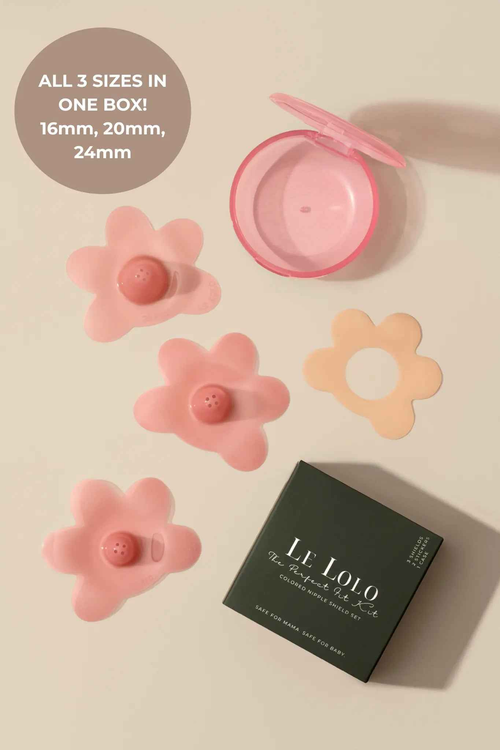
| Nipple shields | Can help with some latch issues; best used with an IBCLC’s guidance |
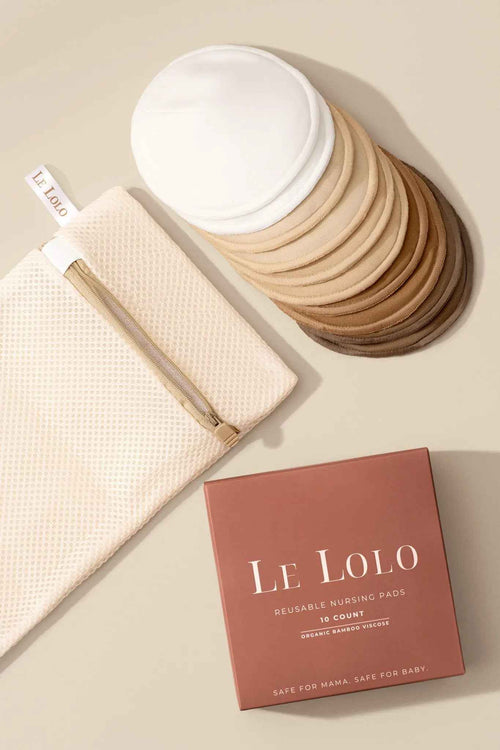
Browse balms, hydrogel pads, shields and nursing pads in our nursing & nipple care collection.
Sore from pumping?
- Measure your nipples and choose a flange that fits; many people need a different size than the one in the box.
- Start on low suction and increase only to what’s comfortable.
- Use a little nursing-safe lubricant on the flange.
- See our best breast pumps of 2026.
When to get help
Call your doctor if you have a fever, flu-like symptoms, a hard, red or hot area on your breast, pus, or pain that’s getting worse. These can be signs of mastitis or infection.
See an IBCLC lactation consultant if pain lasts beyond the first week, nipples are cracked or bleeding, or feeds are always painful. Most U.S. health plans cover breastfeeding support.
If you need a break
If breastfeeding is too painful while you heal, you can pump and bottle-feed, or supplement for a while. Our combo feeding guide shows how to protect your supply, and donor breast milk is an option if you want to keep breast milk in the mix.
Frequently asked questions
Is it normal for breastfeeding to hurt?
Some tenderness in the first days is common. Pain that lasts through feeds, or cracks and bleeding, usually means the latch or position needs adjusting.
How long does it take for sore nipples to heal?
Once the cause is fixed, mild soreness often improves within a few days. Cracks can take longer. See an IBCLC if pain continues.
Is nipple balm safe for my baby?
Many balms are made for use while nursing. Check the label and follow its directions.
Should I use a nipple shield?
Nipple shields can help with some latch problems, but they work best with guidance from a lactation consultant.