Quick answer
- Freeze-drying removes water from frozen breast milk, leaving a shelf-stable powder you mix with water later.
- Parents use it to save freezer space, travel easily, and protect a stash during moves or power outages.
- Choose a service that uses a professional lab, tests milk and gives clear instructions for mixing and storage.
- Ask your pediatrician before using freeze-dried milk, especially for a baby who was born early or has medical needs.
How breast milk freeze-drying works
- You freeze and ship your milk to a freeze-drying service, packed to stay frozen.
- The milk is freeze-dried (lyophilized): it’s frozen and placed in a vacuum, where the ice turns straight to vapor without melting.
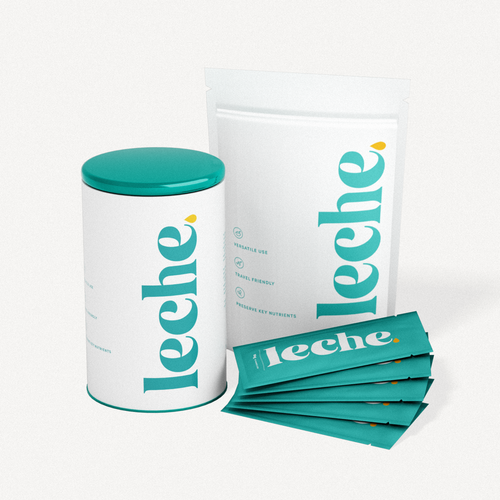
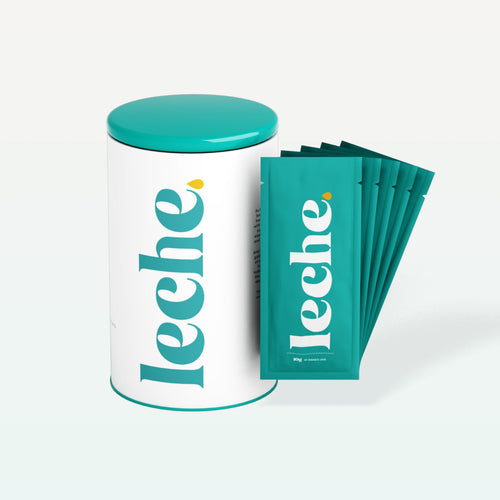
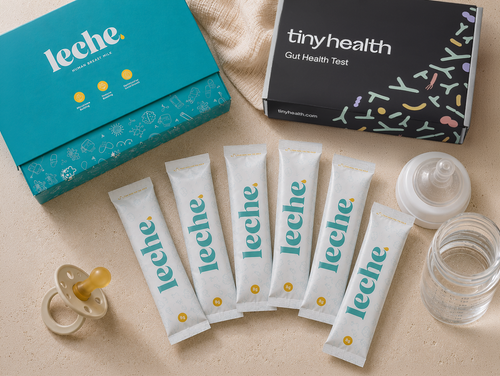
- The powder is packaged, often in pouches or single-serve portions, and shipped back to you.
- You mix with water using the provider’s instructions to make a bottle.
Why parents freeze-dry their milk
- Space: a full freezer of milk becomes a few boxes on a shelf.
- Shelf life: powdered milk can last much longer than frozen milk, depending on the provider and packaging.
- Travel: no coolers or ice packs.
- Security: no risk of losing a stash to a power outage or broken freezer.
- Returning to work: easier to send bottles to daycare.
Things to consider
- Cost: freeze-drying is a paid service, usually priced by volume.
- Time: processing and shipping take time, so plan ahead.
- Mixing: follow the provider’s ratio exactly. Too much or too little water changes concentration.
- Research: studies of freeze-dried human milk are still limited. Many nutrients appear to hold up well, but freeze-drying isn’t identical to fresh milk.
Home freeze-dryers: home units aren’t designed or validated for infant feeding, and contamination or moisture can be hard to control. Most experts recommend a professional service with lab testing.
How to choose a freeze-drying service
- Is the milk processed in a dedicated, food-grade or lab facility?
- Is milk tested before and after processing?
- Is your milk kept separate and traceable to you?
- How is milk shipped to the lab, and what happens if it thaws?
- What is the shelf life, and how should the powder be stored?
- What are the exact mixing instructions?
Freeze-drying with It’s My Leche
It’s My Leche offers freeze-drying for your own milk through Everyday Leche and Leche Premier, and also sells ready-made powdered donor breast milk. Check each product page for current pricing, shipping and processing details.
Storing frozen milk before you ship
Until you ship, store milk using standard guidelines: up to 4 days in the fridge, and about 6 months in the freezer (up to 12 months in a deep freezer). See our breast milk storage guide.
Frequently asked questions
Does freeze-drying breast milk destroy nutrients?
Freeze-drying is a gentle process, and many nutrients appear to be well preserved, but research is still limited and it isn’t identical to fresh milk.
How long does freeze-dried breast milk last?
It depends on the provider and packaging. Many services quote a much longer shelf life than frozen milk. Follow your provider’s storage instructions.
How do I mix freeze-dried breast milk?
Use the exact water-to-powder ratio from your provider, mix well, and use it within the time they recommend.
Can I freeze-dry breast milk at home?
Home freeze-dryers aren’t designed for infant feeding. A professional service with lab testing is the safer choice.