Quick answer
- Donor breast milk is milk from a lactating parent who isn’t your baby’s parent.
- Screened sources, such as nonprofit milk banks and donor milk companies, test donors and pasteurize or process the milk.
- The FDA advises against using breast milk shared informally online or through social media.
- Ask your pediatrician whether donor milk is a good fit, especially for babies born early or with medical needs.
What is donor breast milk?
Donor breast milk is human milk given by someone other than the baby’s parent. Families use it when a parent can’t produce enough milk, during a supply dip, after adoption or surrogacy, or alongside formula as part of combination feeding.
Where donor milk comes from
| Source | How it works | Good to know |
|---|---|---|
| Nonprofit milk banks | Donors are screened, and milk is pooled, pasteurized and tested | Often prioritized for hospitalized and premature babies; may need a prescription |
| Screened donor milk products | Companies screen donors, test and process milk, and sell it directly | Available without a hospital stay; check each company’s screening and testing |
| Informal sharing | Milk is passed between families directly or online | Not screened or processed; the FDA recommends against it |
Is donor breast milk safe?
Safety depends on the source. Milk from an unscreened donor can carry infectious diseases, medications, alcohol or other substances, and may be contaminated if it isn’t collected, stored and shipped correctly. That’s why the FDA recommends against feeding babies breast milk obtained directly from individuals or through the internet.
Screened sources reduce these risks by:
- Screening donors with health questionnaires and blood tests
- Testing milk for bacteria and, in some cases, for drugs or adulteration
- Pasteurizing or processing milk to reduce pathogens
- Tracking batches so issues can be traced
Questions to ask any donor milk provider
- How are donors screened, and what blood tests are required?
- Is the milk pasteurized or otherwise processed? How?
- What testing is done on every batch, and by whom?
- How is the milk stored and shipped?
- Can I trace my milk back to a batch or lot?
- How should I prepare and store it once it arrives?
Shelf-stable donor milk: It’s My Leche
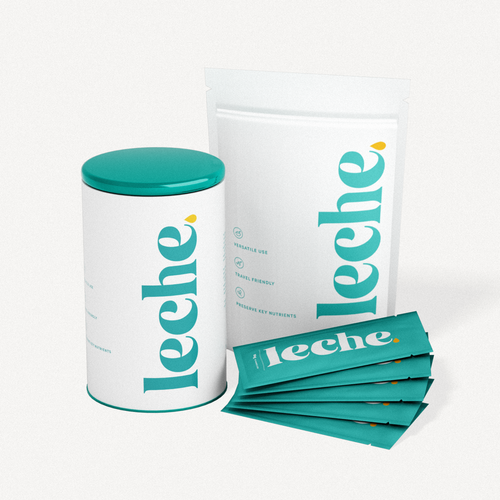
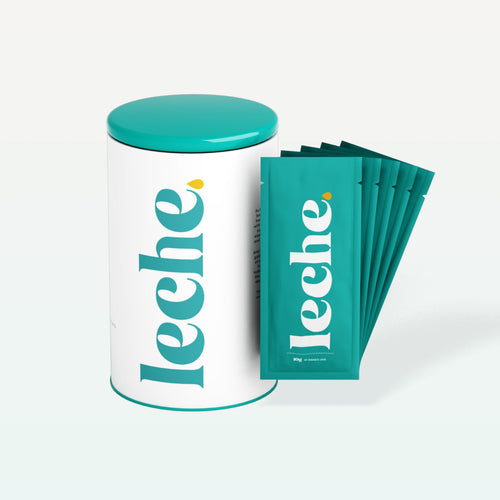
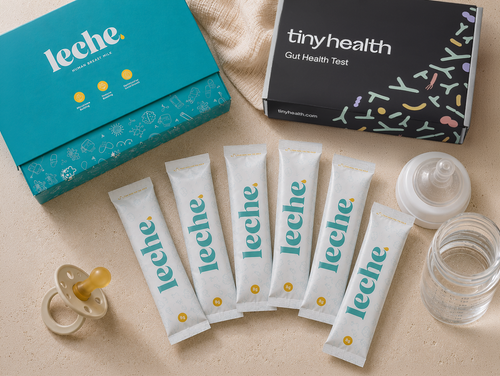
It’s My Leche powdered donor breast milk is 100% human donor breast milk from screened U.S. donors, freeze-dried into single-serve sachets. Because it’s shelf-stable, there’s no freezer space or thawing needed. You mix a sachet with water to make a bottle, following the instructions on the package. It isn’t a formula, so many families use it alongside formula or their own milk on days when supply runs short.
Meet It’s My Leche Read our review
Using donor milk with formula
Donor milk and formula can both be part of your baby’s routine. Prepare formula exactly as the label says and don’t mix powder into breast milk. Our combo feeding guide covers how to plan bottles, and our best formulas for combo feeding lists formulas that pair well.
Frequently asked questions
Is donor breast milk as good as my own milk?
Donor milk provides many of the same nutrients and components as breast milk, though processing can reduce some of them. Your own milk is tailored to your baby, but screened donor milk is a valuable option.
Do I need a prescription for donor milk?
Nonprofit milk banks often require a prescription. Many donor milk companies sell directly to families. Talk to your pediatrician about what’s right for your baby.
Is it safe to get breast milk from a friend or online?
The FDA advises against it, because unscreened milk can carry infections, medications or contamination. Choose a screened source.
Can I use donor milk for a premature baby?
Donor milk is commonly used in neonatal intensive care units, but babies born early have specific needs. Always follow your care team’s advice.