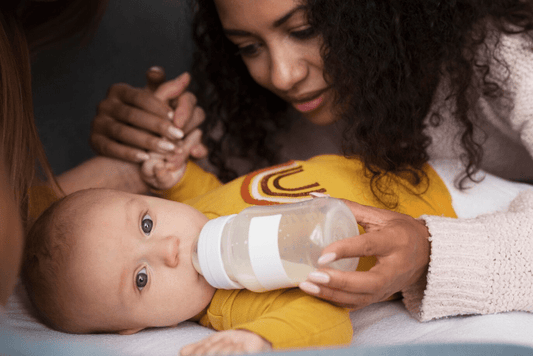
Congratulations, new and expecting parents! Welcoming a brand-new baby into your life is an incredibly joyful experience. As you cuddle your tiny bundle of joy, it’s natural to feel a bit protective — and for good reason. Newborns have delicate immune systems, making them more susceptible to common illnesses. The good news is that there are simple, effective ways to reduce risks and navigate this new chapter with confidence.
Why Newborns Are More Vulnerable
During the first few months of life, a baby’s immune system is still developing. While babies receive some protective antibodies from their mother during pregnancy and later through breast milk, their bodies are still learning how to fight off germs on their own. This is why avoiding newborn illnesses is such an important focus for parents early on.
Common Germs That Can Affect Newborns
Germs are everywhere, and while it’s impossible to eliminate exposure completely, it’s helpful to understand the most common risks. Illnesses that can be more serious for newborns include the common cold, which may cause breathing difficulties; RSV (Respiratory Syncytial Virus), a respiratory virus that can be severe in young babies; the flu, which can lead to complications in infants; and gastrointestinal viruses that may cause vomiting, diarrhea, and dehydration.
Practical Ways to Reduce Germ Exposure
There are several simple habits that can make a big difference in protecting your baby.
Handwashing is one of the most effective defenses. Always wash your hands thoroughly with soap and water for at least 20 seconds before touching your baby, especially after using the restroom, changing diapers, or coming in from outside. Ask visitors to do the same before holding your newborn.
Being mindful about socializing is also important. While friends and family are excited to meet your baby, limiting exposure to large crowds and sick individuals during the first few months can help reduce risk. Don’t hesitate to ask visitors to postpone their visit if they’re feeling unwell. When going out, using a stroller cover or baby carrier can add an extra layer of protection.
Vaccinations play a crucial role in keeping your baby safe. Following the recommended vaccination schedule helps protect your baby from serious illnesses. Making sure parents, siblings, and close caregivers are up to date on vaccines like the flu shot and Tdap creates a protective “cocoon” around your newborn.
Keeping your home environment clean also matters. Regularly disinfect frequently touched surfaces such as doorknobs, countertops, phones, and toys, especially during cold and flu season.
If possible, breastfeeding can offer additional immune support. Breast milk contains antibodies that help protect babies against a wide range of infections and illnesses.
When to Call the Doctor
Even with the best precautions, babies can still get sick. Knowing when to seek medical care is essential, especially for newborns.
Contact your pediatrician right away if your baby is under three months old and develops a fever of 100.4°F (38°C) or higher. Other warning signs include difficulty breathing, such as rapid breathing, flaring nostrils, grunting sounds, or skin pulling in around the ribs or neck. You should also call if your baby is feeding much less than usual, refuses to feed, is unusually sleepy or difficult to wake, has persistent vomiting or diarrhea, develops an unusual rash (especially with fever), shows changes in skin color like bluish lips or skin, or cries inconsolably for long periods.
You know your baby better than anyone. If something doesn’t feel right, trust your instincts and reach out to your pediatrician. It’s always better to ask than to wait.
You’ve Got This
Avoiding newborn illnesses may feel overwhelming at first, but by taking proactive steps and knowing when to seek help, you’re already doing an amazing job protecting your little one. Enjoy these early moments — they truly go by in the blink of an eye.